
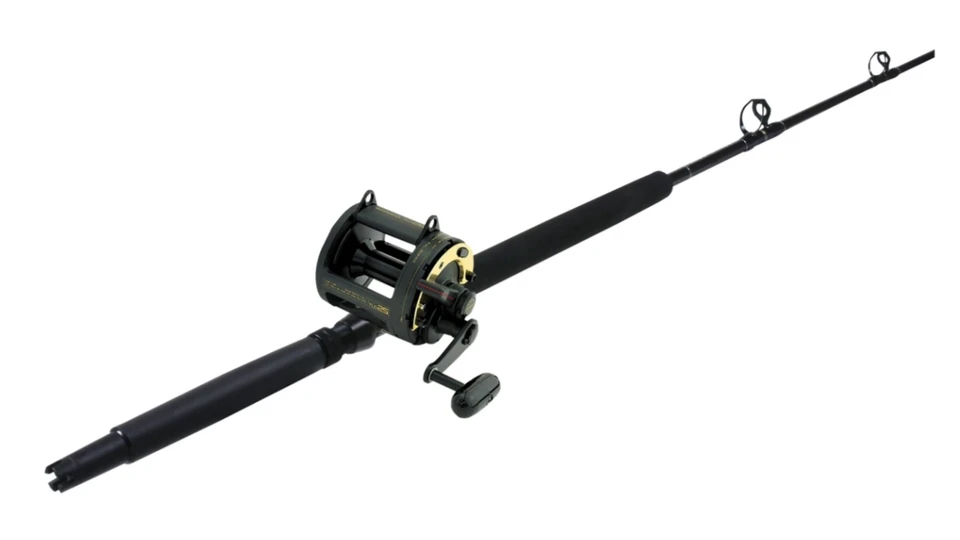
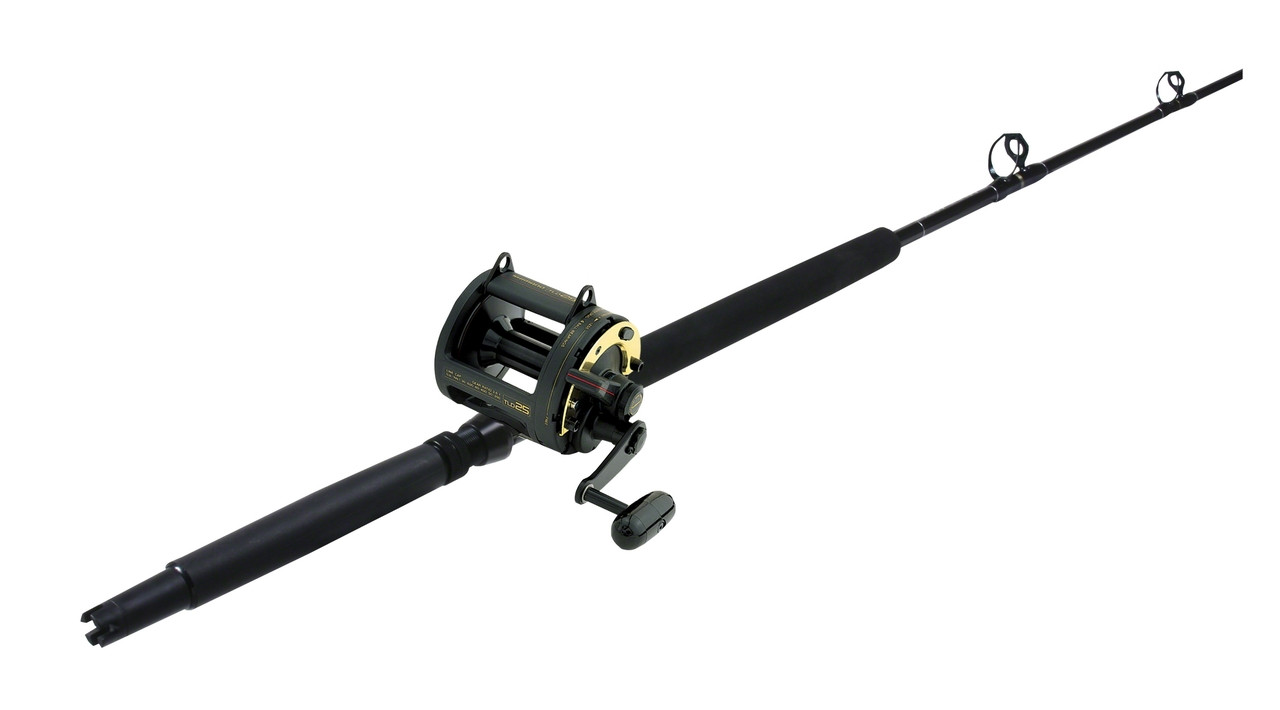
A dependable fall striper rod and reel setup pairs a six-foot to six-and-a-half-foot moderate-action composite or fiberglass blank with a low-geared conventional reel delivering 25 to 30 pounds of usable drag. Pulling a multi-arm umbrella rig and 20 ounces of lead through an autumn tidal rip easily produces 25 pounds of continuous drag, which overpowers light gear before a fish ever bites.
When an Atlantic migratory cow hits an umbrella rig pinned against a four-knot current, underpowered gear fails fast. Gears strip, guide rings groove, and hooks pull out of soft mouth tissue. Rigging the right saltwater fishing rods and matching reels protects your gear and gets fish to the boat without endless, exhausting fights.
Why Fall Trolling Rigs Overpower a Standard Striper Rod and Reel
Most striped bass anglers fish light inshore tackle through the spring and summer. Casting small jigs or drifting live bunker on medium spinning outfits works well in open, calm water. Autumn boat trolling along channel edges flips the physics entirely.
The Hydrodynamic Load of Deep Spreads
A four-arm umbrella rig loaded with nine-inch shad bodies acts like a sea anchor. Add a trailing bucktail, clip on a 20-ounce inline sinker, and drop it into a deep channel cut at three knots. Water friction against that spread puts 25 to 30 pounds of continuous pull on your line. Standard boat tackle bends double just dragging the hardware. Your reel drag slips unless tightened past its design limit, and your rod blank bottoms out before a striper touches the bait.
Why Inshore and Freshwater Tackle Fails
Every October, anglers bring freshwater gear or light inshore rods out into open water. As fishermen pointed out on the BassResource forums in 2010, standard freshwater bass rods snap under coastal striper loads. A blank rated for one-ounce lures lacks the wall thickness to hold up a pound of lead in a tearing rip. The rod folds flat to the water, the tip loses all spring, and the reel seat twists inside the foam handle. If a 30-pound bass smacks the rig while the rod is fully compressed, the line parts instantly.
Choosing the Right Rod Blank Action and Guide Construction
Selecting a trolling blank means prioritizing lifting power and structural give over light sensitivity. Graphite blanks excel at feeling finicky bottom bites, but they are brittle under heavy static loads.
Moderate Parabolic Tapers versus Fast Graphite Blanks
Fast-action graphite rods bend mostly in the top third of the blank. Hang 20 ounces of lead on that tip, and it collapses flat into the backbone. Once the tip shuts off, the blank cannot absorb boat surge or headshakes.
Heavy fall trolling calls for a six-foot to six-and-a-half-foot moderate-action blank rated for 30 to 80-pound line and lure weights up to 32 ounces. Lighter composite blanks like those discussed on The Hull Truth in 2021 handle deep jigs up to 12 ounces for fish measuring up to 48 inches, but heavy lead needs a true parabolic curve. A parabolic blank bends through its entire midsection. That long bend acts as a giant shock absorber, cushioning the surge of heavy lead against tidal rips and keeping hooks pinned solid.
Guide Ring Durability Under Braid and Wire
Braided line under continuous trolling tension cuts grooves into standard aluminum oxide guides. Wire line destroys them even faster. Once an insert grooves, its sharp edges will fray your line on the next hookset. Look for blanks wrapped with heavy-duty silicon carbide rings, solid carboloy guides, or a roller tip-top. These materials handle heavy braid and stainless wire without grooving.
Check the reel seat and gimbal before leaving the dock. Plastic reel hoods crack under the torque of an umbrella rig pulling in a gunnel rod holder. Machined aluminum reel seats with double-locking nuts keep the reel secure. A solid aluminum gimbal pin keeps the blank from spinning sideways under load.
Conventional Reel Specifications for Heavy Fall Current
Your reel needs to winch heavy weights from deep water without binding internal gears. Rigid one-piece aluminum frames on quality saltwater fishing reels keep the spool and drive shaft aligned when current bears down hard.
| Reel Type | Usable Drag Rating | Gear Ratio | Best Application |
|---|---|---|---|
| Standard Star Drag | 18 to 22 lbs | 4.9:1 to 6.0:1 | Light tandem rigs, live bunker, planer boards |
| Heavy-Duty Level-Wind | 20 to 25 lbs | 4.0:1 to 4.3:1 | Inline weights up to 16 oz, general boat spreads |
| Two-Speed Lever Drag | 25 to 30+ lbs | 3.8:1 low / 6.0:1 high | Deep umbrella rigs, 20 to 28 oz sinkers, wire line |
Why Usable Drag Must Exceed Twenty-Five Pounds
A reel rated for 20 pounds of maximum drag rarely gives you 20 pounds of clean pressure on the water. Dragging heavy rigs against an ebb tide generates 15 pounds of water drag by itself. If your reel maxes out at 20 pounds, you have to push the drag to its absolute ceiling. That pinches the washers, overheats the drag stack, and causes line creep. In a 2026 discussion on the Downeast Boat Forum, boat captains noted that lever drag reels producing 25 to 28 pounds of drag, such as the Avet LX, prevent spool creep under heavy fall rigs. A higher drag ceiling gives you the cushion to set strike drag accurately.
Gear Ratios and Winching Torque
Reels with high-speed 6:1 gear ratios move line quickly, but they lack low-end torque. Trying to winch 20 ounces of lead and an umbrella rig from 50 feet down with high gears feels like driving up a mountain in overdrive. Stick to a low 3.8:1 to 4.5:1 ratio. Low gears give you the mechanical power to lift heavy tackle off the bottom without pumping the rod violently. Narrow-spool, two-speed reels like the Penn Fathom 25NLD2 provide high speed to clear lines and a low gear to grind through heavy currents.
Level-Wind Mechanisms versus Open Spools
Level-wind reels distribute line evenly across the spool, making life simple for crews managing multiple planer boards. Workhorse reels like the Penn 309 remain popular on private boats for that reason. If you fish a level-wind reel, verify that the pawl and worm gear are machined brass or stainless steel. Stamped metal or plastic carriages shear clean off when an umbrella rig snags a bottom ledge. Open-spool reels eliminate that mechanical weak point entirely, though you must guide line back onto the spool with your thumb.
Spooling Strategies for Braided Line Monofilament and Wire
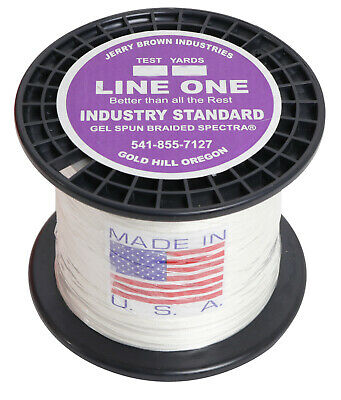
Line selection determines how deep your rigs swim and how much shock your tackle absorbs during a strike.
The Sixty to Eighty-Pound Braid and Mono Topshot System
The standard fall setup pairs 60 to 80-pound braided mainline backing with a heavy monofilament topshot. Thin super-braid cuts through water friction, letting your rigs reach a 40-foot ledge with a third less lead than straight mono. That narrow diameter keeps your spread running deep and clean.
Never tie braid directly to an umbrella rig. Braid has zero stretch, and when a 30-pound bass smashes a moving lure, that violent shock straightens hooks or rips them out of the jaw. Splice 30 to 50 yards of 60 to 80-pound monofilament or fluorocarbon over your braid backing using an FG knot. That topshot delivers the stretch you need to cushion the strike and resists abrasion against the boat hull at the net.
When to Rig Dedicated Stainless Wire
When stripers sit along deep structure past 40 feet, pulling monofilament requires massive lead sinkers that kill all the fun of the fight. Stainless steel wire sinks fast under its own weight, letting you target bottom cuts with half the lead. Wire trolling demands dedicated equipment. Spooling wire onto a graphite-framed reel will crack the spool or blow the side plates out because stainless wire compresses tight under pressure. Wire belongs on an all-metal reel paired with a solid glass rod fitted with brazed carboloy guides or a roller tip.
How Proper Tackle Protects Fall Migratory Stripers
Using properly rated tackle protects the fish as much as it saves your gear. Atlantic migratory striped bass face heavy fishing pressure, and matched gear helps release fish unharmed.
- Minimizing fight duration: Spawning surveys show nursery production in the Chesapeake Bay and Hudson River has been poor since 2015, according to a July 2026 fisheries report in The Provincetown Independent. Dragging out a fight on light tackle exhausts big fish to the point of severe lactic acidosis. Stout conventional gear lets you beat fish fast and bring them boat-side with enough strength to swim away.
- Protecting the coastal slot limit: Fishery regulations mandate a strict 28-to-31-inch keeper slot limit across Atlantic coastal waters. Most large trolling fish fall well outside this slot and must go back into the water. Heavy tackle lets you steer fish to the gunnel quickly, preventing hook damage and making de-hooking simple at the waterline.
- Preventing broken terminal tackle: Fishing light tackle leads to break-offs on the strike. When light line snaps under the pull of a heavy sinker, the fish swims away towing lead, wire, and a multi-hook umbrella rig. Heavy line and stout blanks keep terminal gear attached to the boat.
Frequently Asked Questions
Can you use a freshwater bass rod for fall striper trolling?
No. Freshwater rods lack the backbone to carry heavy inline trolling sinkers and multi-arm umbrella rigs. The constant drag bottoms out a light blank instantly, which can twist the reel seat, crack the guides, and snap the rod near the handle.
How much drag do I need on a conventional reel for striper trolling?
You need a conventional reel with 25 to 30 pounds of usable drag pressure. That rating holds heavy trolling hardware in a four-knot current without line slipping off the spool. It also leaves plenty of drag range to drive hooks deep when a bass strikes.
What reel gear ratio is best for trolling striped bass in heavy currents?
A low gear ratio between 3.8:1 and 4.5:1 provides the winching torque required to crank heavy sinkers and umbrella rigs against deep currents. High-speed reels lack low-end power, forcing you to pump the rod hard just to retrieve your gear.
Should I use braid or wire line for deep fall striper trolling?
Braided line with a heavy monofilament topshot works best for trolling depths down to 35 feet because it cuts through current while providing stretch on the strike. Stainless steel wire is better for structure deeper than 40 feet because its weight reaches the bottom with less inline lead.
Inspect your rod guides, set your strike drags, and replace your monofilament top shots before heading out this season. You can check out our full selection of saltwater trolling tackle and gear at Alltackle.com to get your boat rigged right.