
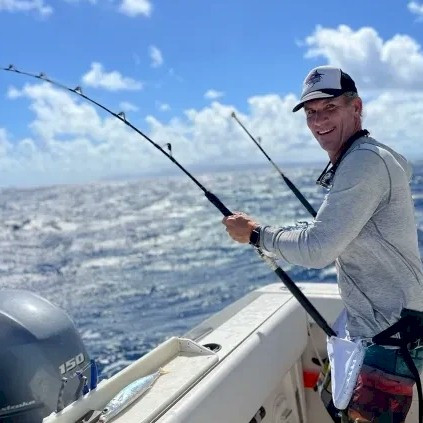
How to Use Big Game Fishing Fighting Belts and Harnesses
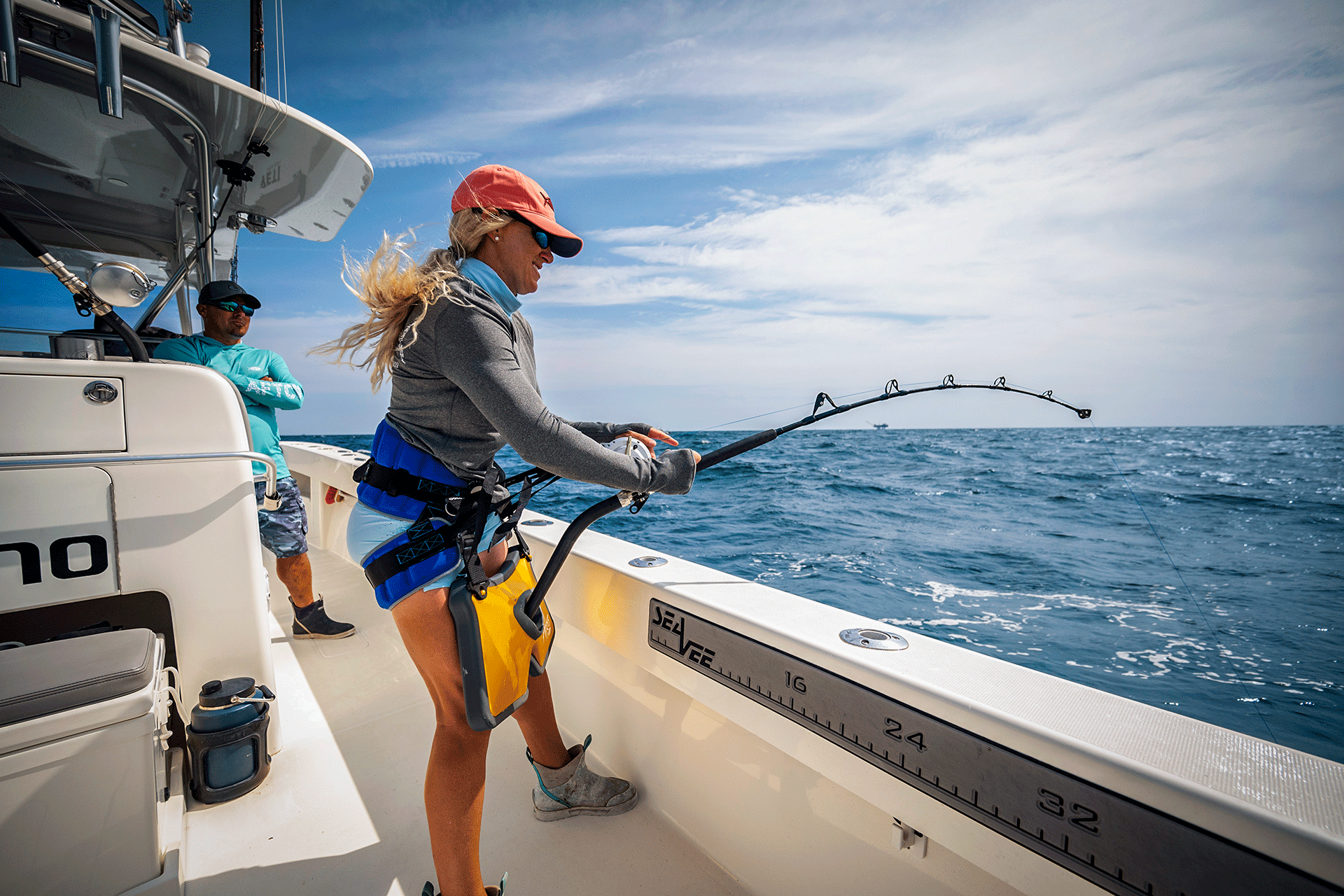
When a big tuna, marlin, swordfish, or other powerful game fish takes a bait, the right fighting belt and harness can make the difference between an exhausting battle and a controlled fight. These tools transfer much of the fish’s pulling power from your arms and lower back to your legs, hips, and upper body.
This guide explains how to choose, set up, and use a big-game fighting belt and harness effectively.
Click Here for Our Fighing Belt and Harness Page
What Is a Fighting Belt?
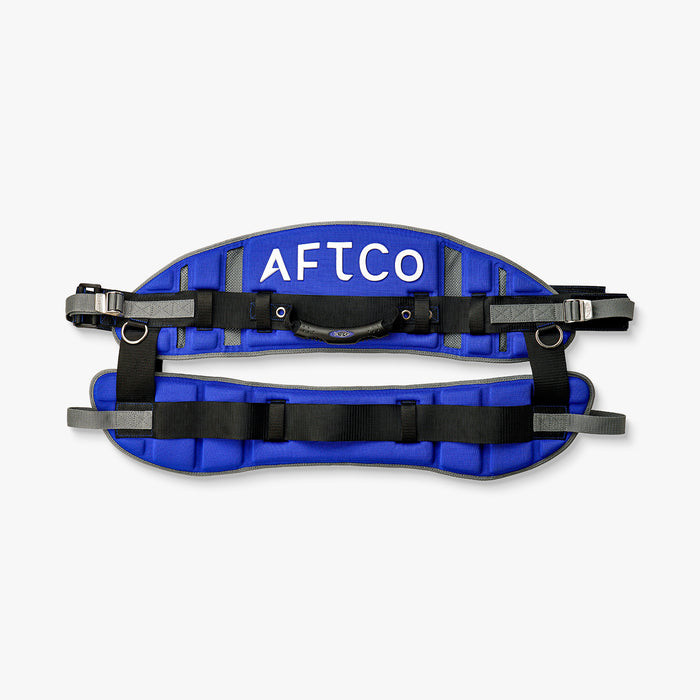
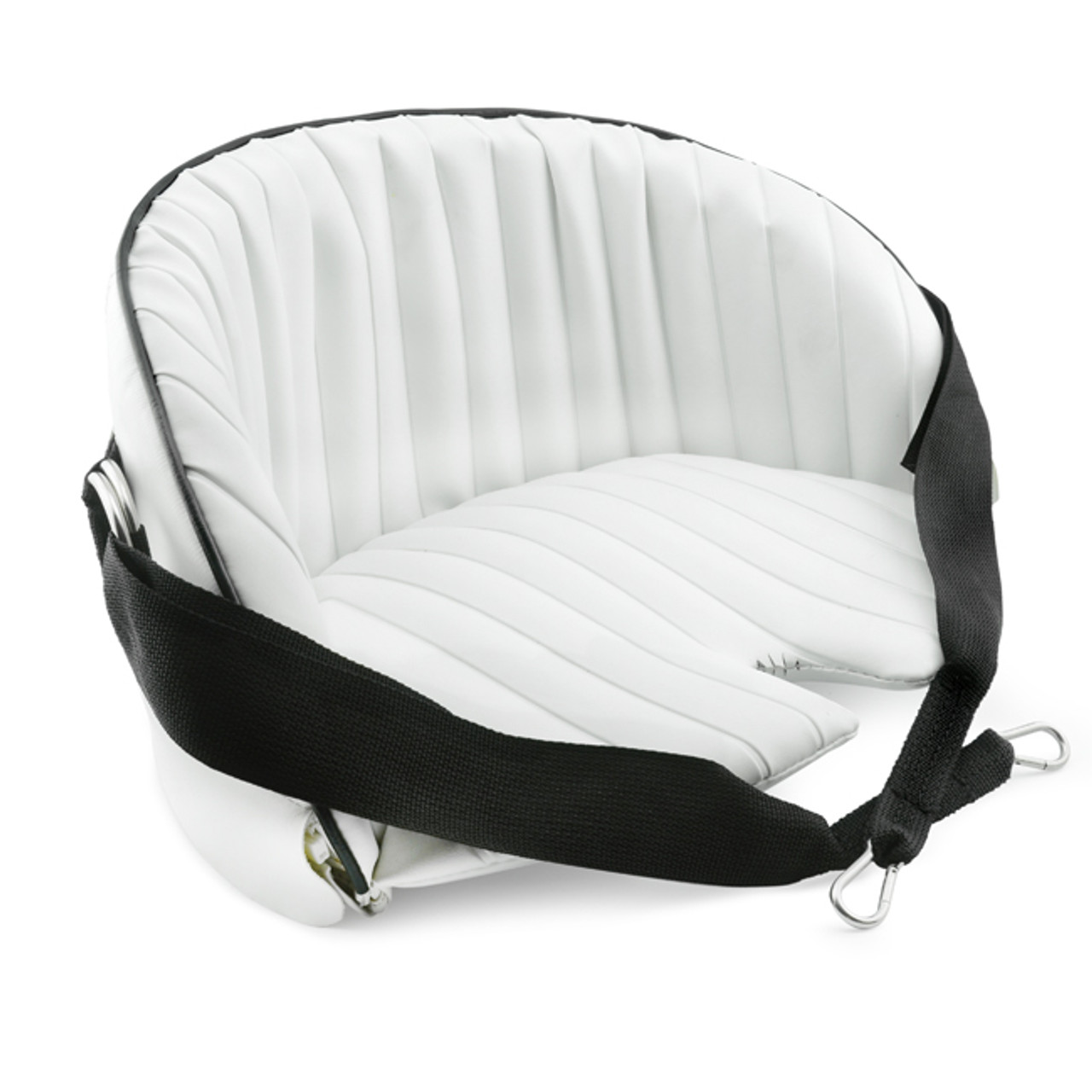
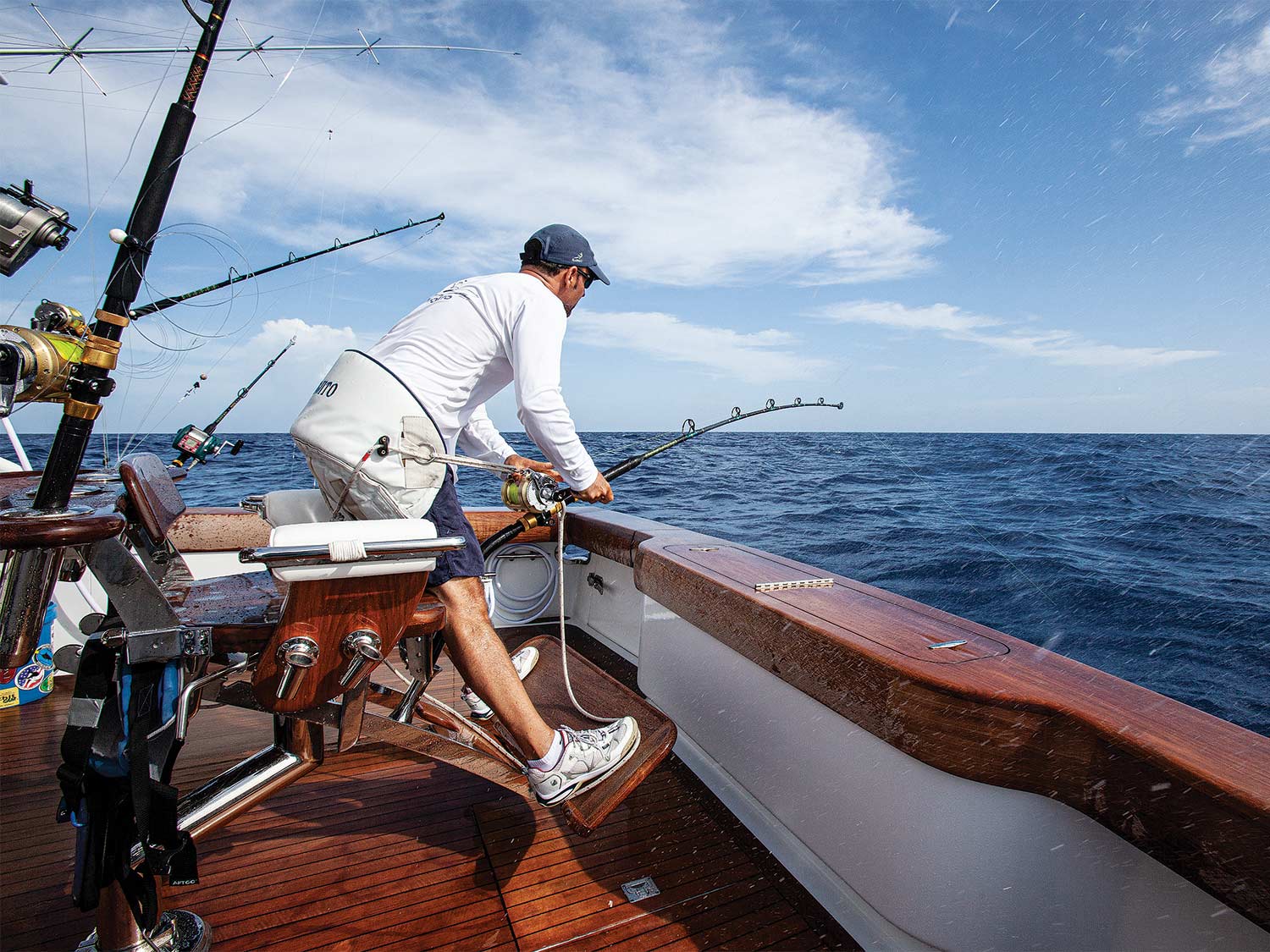
A fighting belt is a padded or molded plate worn around the angler’s waist or hips. The rod butt fits into a gimbal cup or rod-holder socket in the belt.

The belt provides three important benefits:
- Reduces pressure on your arms
- Provides a stable pivot point for the rod
- Allows you to use your legs and body weight against the fish
For heavy tackle, a well-fitting belt should sit securely around your hips without restricting your movement.
Click Here for Our Fighing Belt and Harness Page
What Is a Harness?
A harness connects the angler to the reel through attachment points on the rod or reel. Instead of holding the rod entirely with your arms, the harness helps transfer the load through your torso and legs.
Common harness styles include:
Shoulder Harness
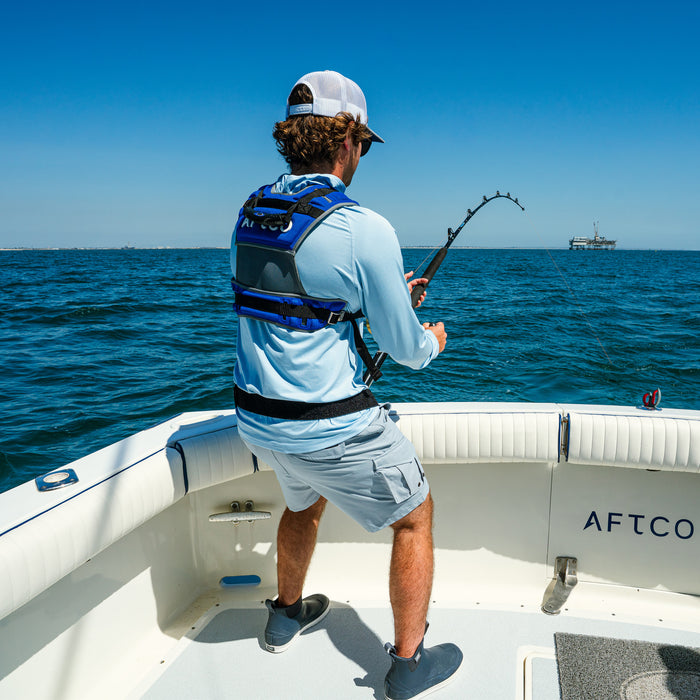
A shoulder harness distributes pressure across the shoulders and upper torso. It works well for stand-up fishing and is relatively simple to put on and adjust.
Full-Body Harness
A full-body harness provides more support and can be especially useful when fighting large tuna and billfish on heavy tackle.
Quick-Clip Harness
Quick-clip systems allow the angler to connect or disconnect from the reel quickly. This can be useful when moving around the cockpit or changing positions during a fight.
Click Here for Our Fighing Belt and Harness Page
Matching the Belt and Harness
The belt and harness should work together as a system.
Before fishing, check:
- Rod butt diameter
- Gimbal cup size
- Harness attachment points
- Reel lugs or harness rings
- Rod rating
- Line and drag rating
- Angler's height and body size
The harness should connect cleanly to the reel or rod without twisting or putting excessive pressure on any single component.
How to Put on a Fighting Belt
Put the belt on before the fish is hooked.
Step 1: Position the Belt
Place the belt around your hips rather than excessively high on your stomach. The exact position depends on the belt design and your fishing style.
Step 2: Tighten It
Secure the belt firmly enough that it doesn't rotate when the rod is under load.
It shouldn't be so tight that it restricts breathing or movement.
Step 3: Check the Gimbal
Place the rod butt into the gimbal and make sure it seats properly.
Practice this movement before fishing. You should be able to insert the rod butt without looking down.
How to Put on a Harness
Adjust the harness before the bite.
The shoulder straps should be snug and symmetrical, while the lower straps should prevent the harness from riding upward.
Attach the harness clips to the reel's designated harness lugs or the appropriate attachment points.
Never improvise attachment points on a reel or rod. Use components specifically designed for harness attachment and make sure all clips are fully closed.
Click Here for Our Fighing Belt and Harness Page
How to Fight a Fish Using a Belt and Harness
Once the fish is hooked, the goal is to create a stable connection between your body, the rod, and the fish.
1. Get the Rod Into the Belt
Seat the rod butt securely in the gimbal.
Keep the rod aligned with your body rather than allowing it to swing from side to side.
2. Connect the Harness
Once you're safely positioned, connect the harness if it isn't already attached.
Keep your body balanced and maintain communication with the crew.
3. Keep Your Back Relatively Straight
Avoid bending sharply at the waist.
Instead, use your legs and hips to support the load. Lean back slightly while maintaining a stable stance.
4. Use Short Pumps
Don't try to lift a large fish with your arms.
Instead:
Lift → gain line → lower → wind
Keep the movements controlled. The reel does the work of recovering line while your body provides leverage.
5. Keep the Rod Under Control
Avoid excessive rod angles.
A high rod angle can dramatically increase stress on the rod and make it harder to control a powerful fish. Follow the tackle manufacturer's recommended fighting angle.
Click Here for Our Fighing Belt and Harness Page
The Importance of Drag
Your fighting belt and harness don't replace proper drag settings.
Before fishing, check the drag with the actual line and tackle configuration you're using. Drag settings should be appropriate for the line class, leader, knots, reel, rod, and target species.
Don't dramatically increase drag simply because you're wearing a harness.
A powerful fish can generate tremendous loads, and increasing drag beyond the tackle's safe working range can result in:
- Broken line
- Pulled hooks
- Rod failure
- Reel damage
- Loss of balance
Stand-Up vs. Chair Fishing
Fighting belts and harnesses are particularly important for stand-up big-game fishing.
For extremely large fish, a fighting chair provides another option. The chair and associated bucket harness system allow the angler to use a much more stable body position and distribute the load differently.
Stand-up tackle is generally about mobility and body leverage, while chair fishing emphasizes stability and sustained pressure.
Click Here for Our Fighing Belt and Harness Page
Other helpful tools for fighting fish
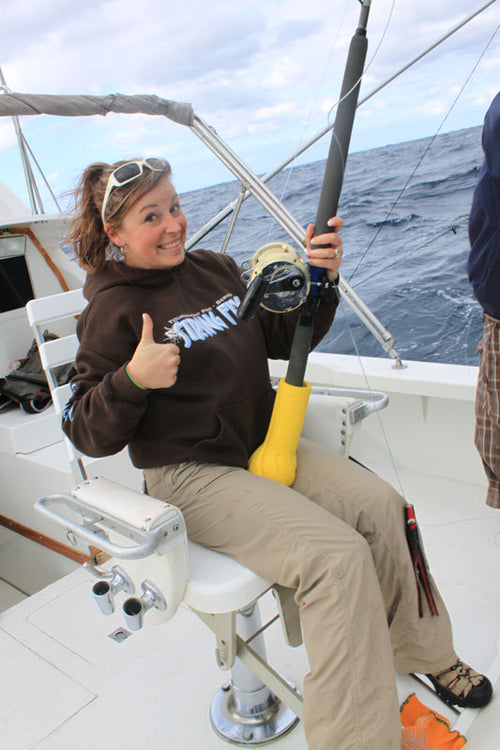
T-Bars and Rod Cushions are great to have on board for fighing smaller fish like Sailfish, White Marlin, Smaller Tunas, Mahi, Kingfish and Wahoo. They are easy and quick to attach to your rod butt and provide a cushion between the hard cleat of the rod butt and the angler's body.

Fighting Big Tuna
Tuna can make long, powerful runs followed by periods of heavy pressure directly beneath the boat.
A good belt-and-harness setup allows you to:
- Maintain pressure during long runs
- Keep the rod butt stable
- Reduce arm fatigue
- Apply controlled pressure when the fish changes direction
- Work the fish closer to the boat without relying entirely on upper-body strength
When a tuna gets directly below the boat, avoid simply leaning backward and pulling as hard as possible. Maintain a balanced stance and let the tackle's drag system do its job.
Fighting Marlin and Other Billfish
Billfish often combine speed, jumping, direction changes, and long runs.
The angler should remain mobile and be prepared to move around the cockpit as directed by the crew.
The crew should communicate clearly about:
- Fish direction
- Line position
- Boat position
- Other rods
- Harness connections
- When to move
The angler should concentrate on maintaining control of the rod while the crew manages the boat and cockpit.
Click Here for Our Fighing Belt and Harness Page
Common Mistakes
Wearing the Belt Too Loose
A loose belt can shift when heavy pressure is applied, reducing leverage.
Wearing the Belt Too High
Depending on the design, positioning the belt excessively high can make it uncomfortable and reduce your ability to use your hips and legs.
Fighting With Your Arms
Trying to muscle a big fish with your arms causes rapid fatigue.
Use your legs, hips, and harness instead.
Excessive Rod Angle
High-sticking a rod can put tremendous stress on the blank.
Ignoring the Harness Clips
Always verify that clips are completely engaged before applying heavy pressure.
Changing Drag Under Heavy Load
Don't make dramatic drag adjustments while the tackle is heavily loaded unless you're specifically trained and the equipment is designed for it.
Practice Before the Big Fish
The worst time to learn how to use a fighting belt and harness is when a 300-pound tuna is screaming line off the reel.
Practice with the complete setup beforehand.
Work on:
- Getting the rod into the gimbal
- Connecting the harness
- Finding a comfortable stance
- Pumping and winding
- Moving around the cockpit
- Passing the rod if necessary
- Disconnecting quickly
Crew members should also practice communication with the angler.
Final Checklist
Before heading offshore, inspect the entire system:
Fighting Belt
- ☐ Correct gimbal size
- ☐ Buckle secure
- ☐ Belt fits properly
- ☐ No damaged stitching
- ☐ No cracked components
Harness
- ☐ Straps properly adjusted
- ☐ Stitching intact
- ☐ Clips functioning
- ☐ Correct attachment points
Tackle
- ☐ Rod and reel compatible
- ☐ Drag properly set
- ☐ Line inspected
- ☐ Leader and knots checked
- ☐ Rod butt fits the belt
Most importantly: practice the complete system before fishing. A properly fitted fighting belt and harness should allow you to apply steady, controlled pressure while keeping your body balanced and your tackle within its intended limits.