
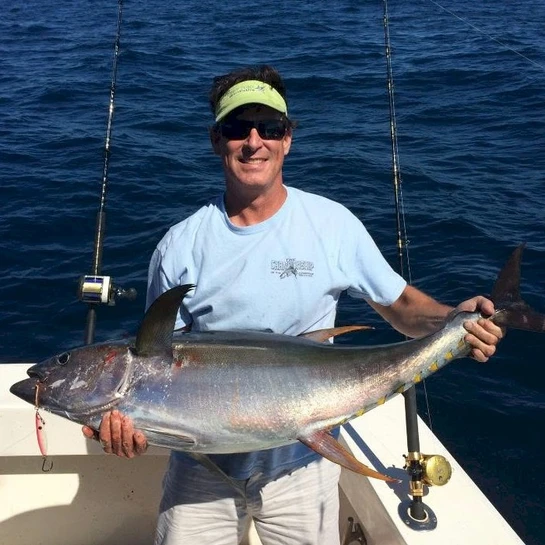
How to Gaff a Tuna: A Step-by-Step Guide for Offshore Anglers
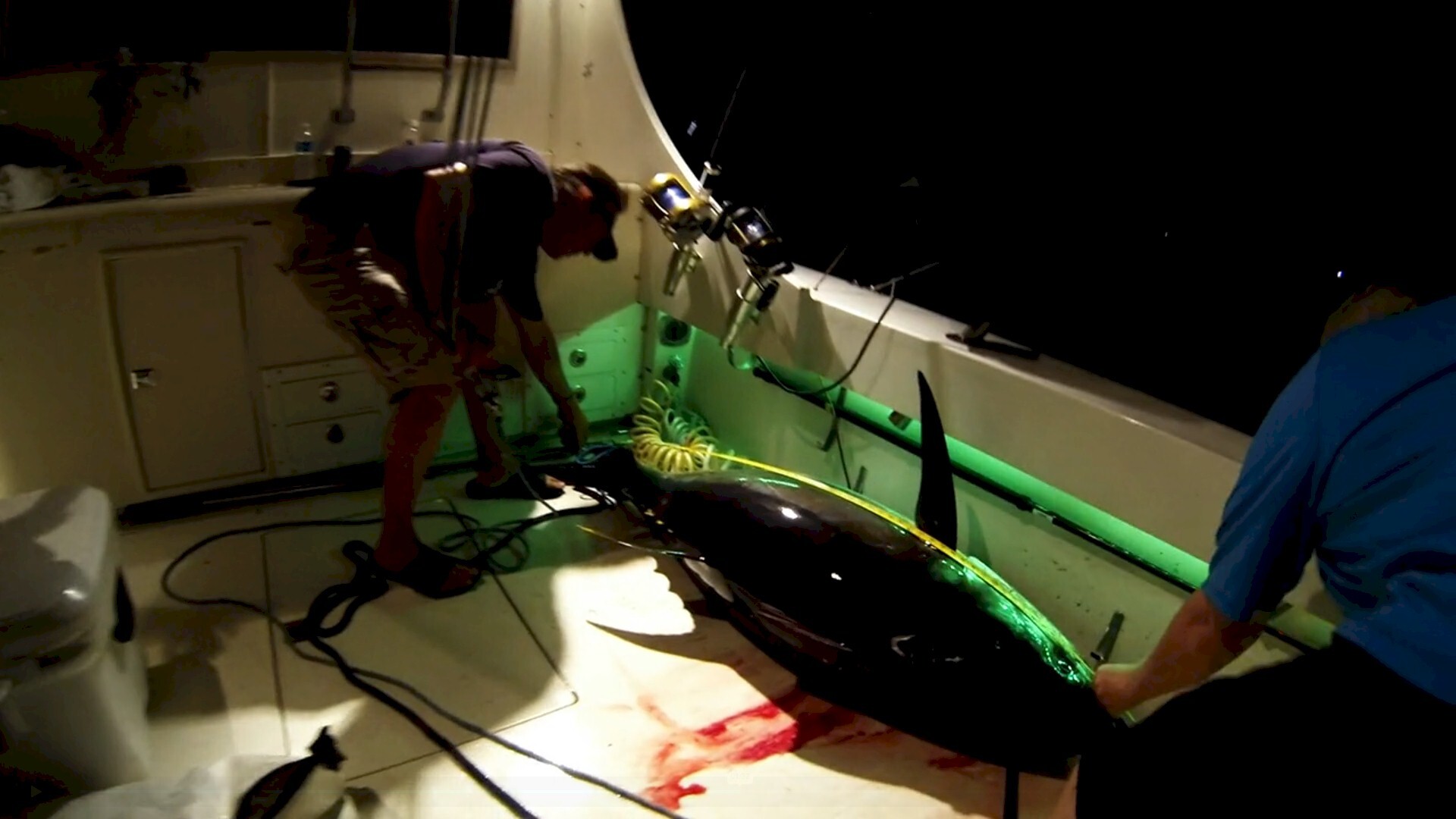
Landing a tuna is one of the most exciting moments in offshore fishing. After a long fight, getting the fish safely alongside the boat and aboard requires good timing, the right equipment, and teamwork. Knowing how to gaff a tuna properly helps reduce the risk of losing your catch, injuring someone on board, or damaging the fish.
Whether you're targeting yellowfin tuna, bluefin tuna, or bigeye tuna, the fundamentals are similar. Here's how to prepare, position the fish, make a clean gaff shot, and bring your tuna aboard safely.
Click Here for Our Gaff Selection
What Is a Fishing Gaff?

A fishing gaff is a heavy-duty landing tool consisting of a handle and a sharp, curved hook. Unlike a landing net, a gaff is designed to secure larger fish that are too heavy or powerful to lift by hand.
For tuna fishing, the gaff should be strong enough to handle the expected size of the fish, with a hook appropriate for its body size. A longer handle can help reach fish alongside a larger offshore boat, while a shorter gaff offers more control in tight quarters.
Before heading offshore, make sure your gaff is in good condition, the hook is sharp, and the handle provides a secure grip. Keep the gaff stored safely when it is not in use.
Click Here for Our Gaff Selection
Step 1: Prepare the Boat and Crew
Preparation is essential before bringing a tuna within gaffing range.
Before the fish reaches the boat:
-
Assign one experienced crew member to handle the gaff.
-
Have another crew member manage the leader and fishing line.
-
Clear rods, loose tackle, coolers, and other obstacles from the working area.
-
Make sure everyone knows where to stand and where the fish will be brought aboard.
-
Put on appropriate footwear and consider eye protection and fishing gloves.
A large tuna can weigh well over 100 pounds and may continue thrashing violently after it reaches the boat. Never assume the fish is under control simply because it is close to the gunwale.
Safety tip: Keep hands and feet clear of the fish, hooks, leader, and gaff hook. Never wrap fishing line or leader around your hand.
Click Here for Our Gaff Selection
Step 2: Bring the Tuna Alongside the Boat
The goal is to bring the tuna within reach while maintaining control of its head and direction.
Keep steady pressure on the fish and work it toward the side of the boat. Avoid rushing the final part of the fight. A tuna that still has substantial energy can make a sudden run, dive beneath the hull, or collide with the boat.
Most Tunas will swim in a circular pattern, and they get closer with each circle. Be patient.
Position the fish where the designated crew member has a clear, unobstructed view. Ideally, the fish should be swimming alongside the boat rather than directly underneath it.
Wait for a suitable opportunity when the tuna is close enough to reach and its movement is predictable. If it begins another powerful run, give it room rather than attempting a rushed gaff shot.
Step 3: Identify the Best Gaffing Location
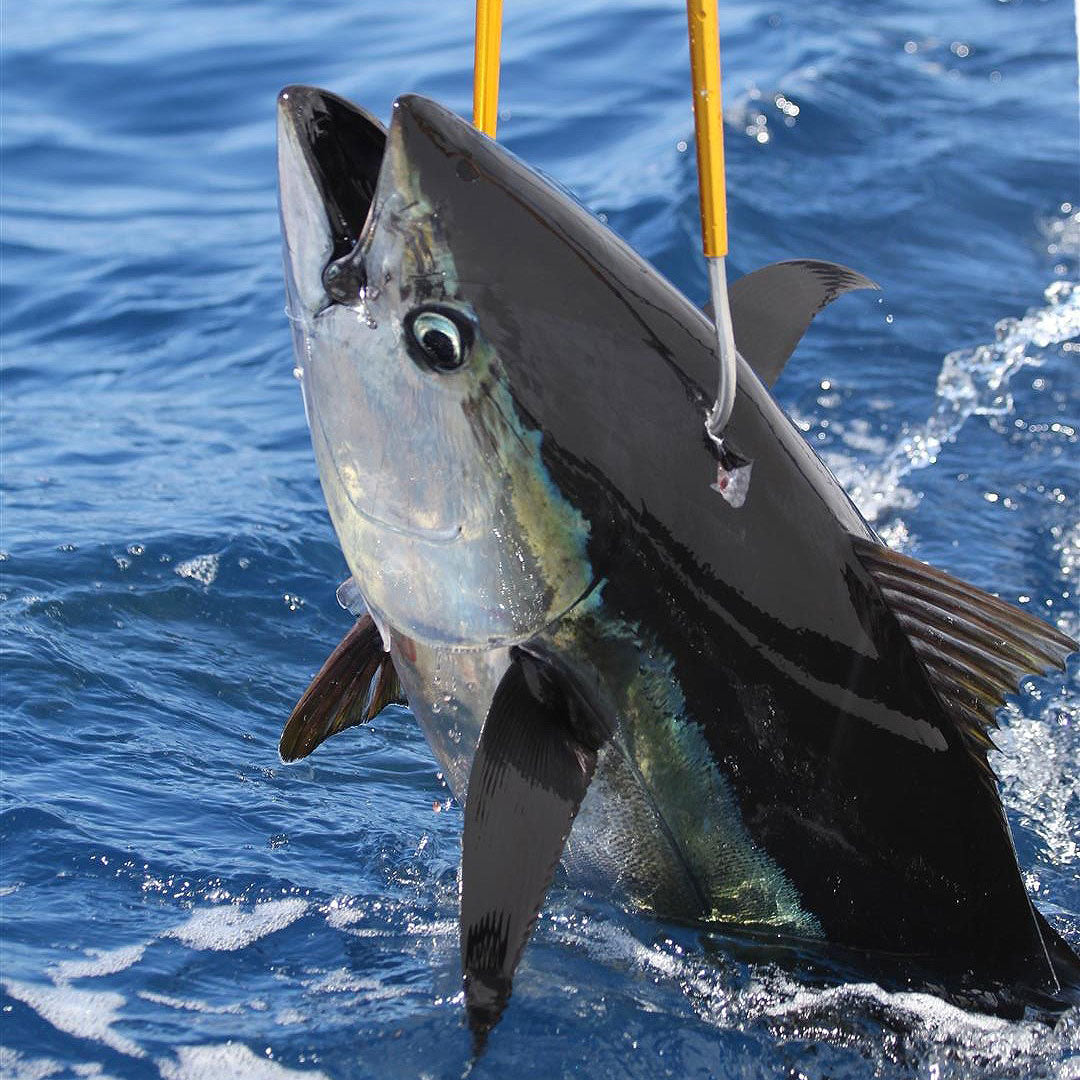
For a tuna intended for the table, the preferred target is generally the forward shoulder area behind the head, avoiding the belly and the valuable loin meat.
Another excellent location for full control is in the throat area.
The exact location depends on the size and orientation of the fish and the type of gaff being used.
A good gaff placement should provide secure control without unnecessarily damaging the meat. Avoid gaffing the abdomen, where the hook can damage internal organs and compromise the quality of the catch.
Do not attempt a shot while the tuna is rolling unpredictably or while crew members are in the hook's path. Wait until you have a clear view of the fish and can make a controlled placement.
Click Here for Our Gaff Selection
Step 4: Make a Controlled Gaff Shot
Once the tuna is alongside and within safe reach, the designated crew member should position the gaff for a deliberate, controlled placement.
Keep a firm grip on the handle and maintain stable footing. The objective is to secure the fish, not to swing at it or make repeated uncontrolled attempts.
Avoid reaching excessively over the gunwale, leaning outside the boat, or placing yourself where a sudden movement could pull you off balance.
If the first attempt misses, withdraw the gaff safely and wait for another suitable opportunity. Do not thrust blindly into the water or swing the hook near other crew members.
For a large tuna, an experienced crew may use a second gaff to help control the fish. This should be coordinated in advance, with each crew member working from a safe position.
Step 5: Bring the Tuna Aboard

Once the tuna is securely gaffed, coordinate the lift with the crew.
Smaller tuna may be manageable with one gaff and an experienced crew member. Larger fish may require two gaffs, a dedicated fish-handling system, or other appropriate equipment.
Never assume that a gaff alone can safely support the full weight of a very large tuna. Avoid lifting beyond the gaff's rated capacity, and do not put your body directly in the path of the fish if the hook pulls free.
For exceptionally large tuna, consider whether bringing the fish alongside for dispatch and controlled handling is safer than lifting it directly over the gunwale.
Keep everyone clear of the fish's tail and the gaff hook during the lift. Once aboard, secure the gaff and keep the fish away from anyone handling knives or other sharp equipment.
Click Here for Our Gaff Selection
Step 6: Handle the Tuna After Landing

The work does not end when the fish is aboard. Proper handling helps preserve meat quality and maintain food safety.
If the fish is being retained for food:
-
Follow appropriate procedures to dispatch the fish promptly and humanely.
-
Bleed the tuna when appropriate for the species and intended preparation.
-
Chill the fish rapidly using a suitable ice-and-water slurry or another appropriate chilling method.
-
Keep the fish clean and protect it from fuel, seawater contamination, and other contaminants.
-
Follow current local regulations concerning retention, size limits, reporting, and handling.
Large tuna retain considerable body heat. Rapid chilling is especially important for maintaining quality and reducing the risk associated with histamine formation, which can occur in improperly chilled tuna and is not reliably eliminated by cooking.
Click Here for Our Gaff Selection
Choosing the Right Gaff for Tuna Fishing
The right gaff depends on your target species, expected fish size, boat configuration, and landing technique.
Consider these factors when selecting a tuna gaff:
Handle length: A longer handle helps reach fish alongside larger boats, while a shorter handle can offer greater control in confined spaces.
Hook size and design: The hook should be appropriate for the fish and the intended landing method. A hook that is too small may not hold securely, while an unnecessarily large hook can cause avoidable damage.
Construction: Look for a strong, corrosion-resistant handle and a secure hook attachment suitable for offshore use.
Grip: A nonslip handle is particularly important when the deck and equipment are wet.
Backup equipment: Carrying an appropriate backup gaff and other fish-handling equipment can be useful when targeting large tuna offshore.
Common Tuna Gaffing Mistakes to Avoid
Even experienced anglers can make mistakes when a fish is close to the boat. Avoid these common problems:
-
Gaffing too early: A tuna that is not sufficiently tired may surge unexpectedly.
- Tail Gaffing: An easy way to lose your gaff.
-
Rushing the shot: Poor timing increases the risk of missing the fish or injuring a crew member.
-
Targeting the belly: This can damage valuable meat and internal organs.
-
Reaching too far overboard: An unexpected movement can cause a dangerous loss of balance.
-
Using undersized equipment: A gaff that is unsuitable for the fish can fail under load.
-
Lifting a very large tuna by the gaff alone: The hook or attachment may fail, potentially causing serious injury.
-
Ignoring regulations: Tuna species have different retention, size, reporting, and handling requirements depending on the location and fishery.
- Click Here for Our Gaff Selection
Frequently Asked Questions
Where should you gaff a tuna?
For a tuna intended for food, the forward shoulder area behind the head is generally preferred because it can provide secure control while helping protect the valuable belly and loin meat. The appropriate placement depends on the fish's position, size, and the landing method.
What size gaff do you need for tuna?
Choose a gaff based on the expected size and weight of the fish, the boat's freeboard, and the manufacturer's specifications. A gaff suitable for small yellowfin tuna may not be appropriate for a large bluefin.
Can you gaff a tuna by yourself?
Landing a tuna alone can be difficult and dangerous, especially when fishing from an offshore boat. Having an experienced crew member handle the gaff while another manages the fish generally provides better control and safety.
Should you gaff a tuna in the head?
The head may be an option in some landing situations, but the appropriate location depends on the fish's orientation and the method being used. For tuna intended for food, anglers commonly favor the forward shoulder area behind the head to avoid unnecessary damage to the meat.
How do you keep tuna meat fresh after landing?
Prompt, appropriate bleeding and rapid chilling are important. Keep the fish clean and maintain proper cold storage throughout handling and transport. Utilize a fish bag to keep the fish cool and protected. Click Here for Our Fish Bag Selection

Click Here for Our Gaff Selection

Final Thoughts
Successfully gaffing a tuna requires preparation, patience, sound judgment, and coordination between the angler and crew. The most important principles are to wait for a controlled opportunity, use suitable equipment, protect valuable meat, and avoid putting anyone in the path of a moving fish or loaded gaff.
Before your next offshore trip, inspect your gaff and other landing equipment, review safe fish-handling procedures with your crew, and check the regulations for your target tuna species.
With the right preparation, you can bring your catch aboard more safely and preserve the quality of the fish for the table.
Click Here for Our Gaff Selection

Click Here for Our Gaff Selection