
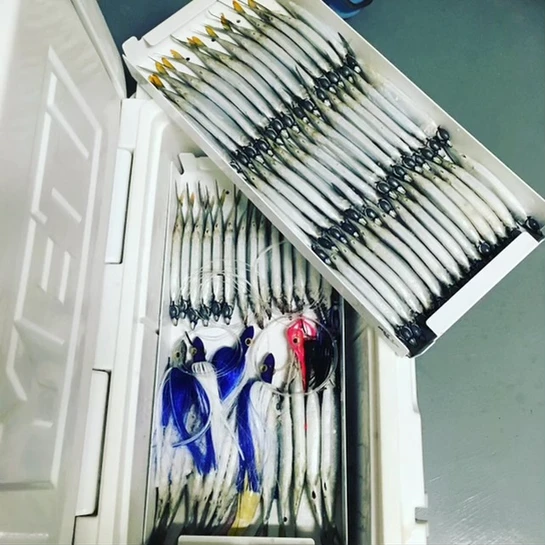
Ballyhoo Bait Trays and Proper Bait Storage
Ballyhoo is one of the most productive offshore baits for trolling. Wahoo, dolphin, tuna, sailfish, kingfish, and billfish will all eat a properly rigged ballyhoo. But even the best rigging job can be compromised if the bait is poorly stored, mishandled, or allowed to warm up and deteriorate.
A quality ballyhoo bait tray makes a big difference. It keeps baits organized, protected, and ready to rig while helping the crew work efficiently in the cockpit.
Click to see our bait tray page
Why Proper Ballyhoo Storage Matters
Frozen ballyhoo is fragile. Repeated thawing and refreezing can damage the bait's skin, eyes, fins, and muscle tissue. A bait that looks good when removed from the package can quickly become soft and difficult to rig if it is mishandled.
Proper storage helps maintain:
- Firm flesh
- Intact skin
- Strong jaws and bills
- Natural shape
- Bright coloration
- Consistent trolling performance
The objective is simple: keep the bait cold, protected, and organized until it is needed.
What Is a Ballyhoo Bait Tray?
A ballyhoo bait tray is a shallow container designed to hold individual baits during preparation and rigging.

A good tray should:
- Keep baits separated
- Prevent crushing
- Provide enough length for the ballyhoo
- Be easy to clean
- Resist corrosion
- Fit securely in the cockpit or bait-preparation area
- Allow the angler to quickly select the desired bait
Some trays are designed primarily for storage, while others double as rigging stations.
Click to see our bait tray page
Keep Ballyhoo Frozen Until Needed
One of the biggest mistakes is thawing the entire supply at the beginning of the trip.
Instead, take out only the number of baits you expect to rig or use during the next portion of the trip.
Keep the remaining ballyhoo properly frozen in the cooler or freezer. -10 degrees is best. Do not place the ballyhoo on the floor of the freezer. Keep the boxes elevated, or they may rot over time.
A good working system is:
Frozen storage → controlled thawing → bait tray → rigging → bait box/cockpit
This minimizes unnecessary handling and temperature changes.
Click to see our bait tray page
How to Thaw Ballyhoo
Ballyhoo should generally be thawed gradually rather than being exposed to excessive heat.
Avoid:
- Leaving baits in direct sunlight
- Soaking them in warm water
- Leaving them on a hot deck
- Repeatedly freezing and thawing the same bait
A chilled bait is much easier to handle than one that has become warm and soft.
For offshore trips, many crews move a limited number of baits from the freezer into a refrigerated or well-insulated container before they are needed. This allows the baits to soften enough for rigging while keeping them cold.
Preparing the Ballyhoo
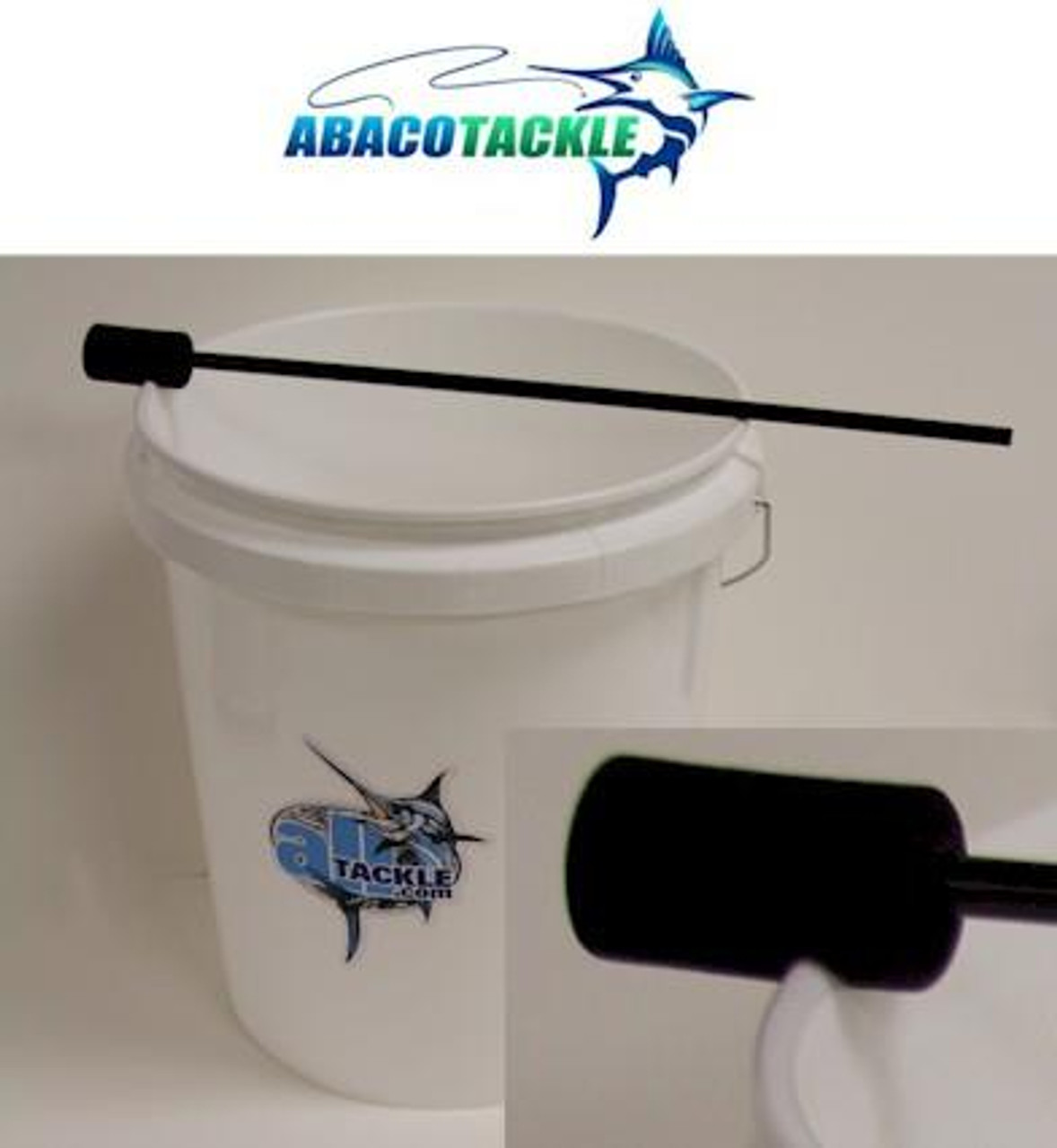
After thawing the ballyhoo, remove the eyes with an Abaco Eye Poker.

Using sharp shears such as the Toit 7" Scissors, cut the side fins flush to the body.
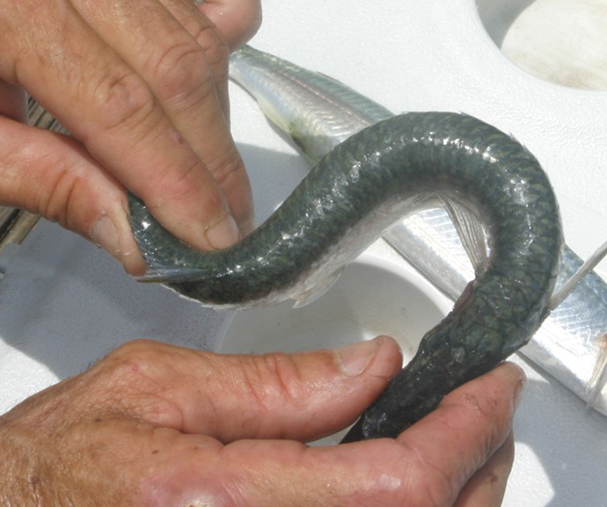
Loosen up the Ballyhoo by breaking its back by bending the body into an S shape until the body seems loose and fluid.
Preparing the Bait Tray
Before placing ballyhoo in the tray, make sure it is:
- Clean
- Dry
- Free of old bait residue
- Protected from excessive heat
- Positioned where the crew can reach it safely
Arrange baits so that they aren't stacked heavily on top of one another.
Don't overcrowd the tray.
Crushed ballyhoo are difficult to rig and may not track correctly when trolled.
Click to see our bait tray page
Keep the Baits Organized
Organization becomes especially important when fishing multiple rods.
Consider separating baits by:
- Size
- Rigging style
- Target species
- Fresh vs. previously prepared baits
For example, one section of a bait tray might contain larger ballyhoo intended for billfish, while another contains smaller baits for dolphin or sailfish.
This saves time when a rod needs to be re-rigged quickly.
Salt and Ice for Ballyhoo
Some offshore crews use salt or saltwater-based chilling techniques as part of their bait preparation. The goal is to maintain the bait's structure while keeping it cold. Click here for Brining Salt

However, excessive soaking can make already-soft bait more difficult to handle.
The key is temperature control without unnecessary water exposure.
If using ice, keep ballyhoo protected from direct contact with large quantities of melting freshwater. Excess water can soften the bait and make handling more difficult.
Click to see our bait tray page
Don't Let the Bait Tray Sit in the Sun
This is one of the easiest mistakes to prevent.
A dark plastic or metal tray sitting in direct sunlight can become surprisingly warm.
Whenever possible:
- Keep the tray shaded
- Keep it out of the sun
- Use an insulated container when practical
- Return unused baits to cold storage
The cockpit can become dramatically hotter than the surrounding air, especially on a sunny offshore day.
Handling Ballyhoo
Handle ballyhoo gently.
Avoid squeezing the body or grabbing the bait by the fragile tail. When transferring baits, support them along the body.
If a bait becomes badly crushed, split, or excessively soft, it may be better suited for another purpose than a long trolling presentation.
Separate Rigged and Unrigged Baits
Once ballyhoo have been rigged, place them in a separate section of the bait tray or in a dedicated bait box.
This prevents rigged hooks, wire, and leader from damaging fresh baits.
It also makes it much faster to identify a ready-to-deploy bait when a fish is approaching the spread.
A simple system is:
Left side — unrigged
Center — currently being rigged
Right side — finished baits
That arrangement keeps the workflow moving.
Protect Your Rigged Ballyhoo
Rigged ballyhoo should be handled carefully because the rigging can be damaged just as easily as the bait itself.
Don't pile multiple rigged baits together if hooks or wire can catch another bait.
Instead, position finished baits individually or use a dedicated rigged-bait holder.
This is particularly important when preparing several baits before putting lines in the water.
Click to see our bait tray page
Bait Trays for Tournament Fishing
During a tournament, bait organization becomes even more important.
A well-organized tray can reduce the time between:
Fish strikes → clearing the line → selecting bait → rigging → redeploying
A crew can prepare several baits in advance and keep them chilled and protected.
The bait station should also be positioned where the crew can work without interfering with anglers, leaders, gaffs, or other cockpit equipment.

Cleaning the Ballyhoo Tray
After the trip, don't simply put the tray away.
Rinse it thoroughly with fresh water to remove:
- Salt
- Scales
- Blood
- Fish oils
- Bait residue
Then wash it with an appropriate soap or cleaning solution and allow it to dry completely.
Pay particular attention to corners, hinges, seams, and drain areas where bait residue can accumulate.
A clean bait tray is easier to use on the next trip and helps prevent unpleasant odors.
Click to see our bait tray page
Ballyhoo Storage Checklist
Before heading offshore:
- Keep frozen baits frozen until needed.
- Thaw only what you expect to use.
- Use a clean, dedicated bait tray.
- Keep baits shaded and cold.
- Don't crush or stack baits excessively.
- Separate rigged and unrigged baits.
- Keep hooks and wire from damaging fresh baits.
- Return unused baits to appropriate cold storage when practical.
- Clean and dry the tray after every trip.
- Brining Salt
- Abaco Eye Poker
- Scissors
- Ringer Swivels
- Egg Sinkers
The Bottom Line
Good ballyhoo fishing starts before the bait ever reaches the water.
A properly organized bait tray protects the bait, speeds up rigging, and keeps the cockpit running efficiently. Combined with consistent cold storage and careful handling, it helps preserve the ballyhoo's shape and durability so the bait performs properly when it enters the trolling spread.
For serious offshore anglers, bait management is part of tackle management. The best hooks, leaders, skirts, and rigs can't compensate for bait that has been overheated, crushed, or improperly stored.