
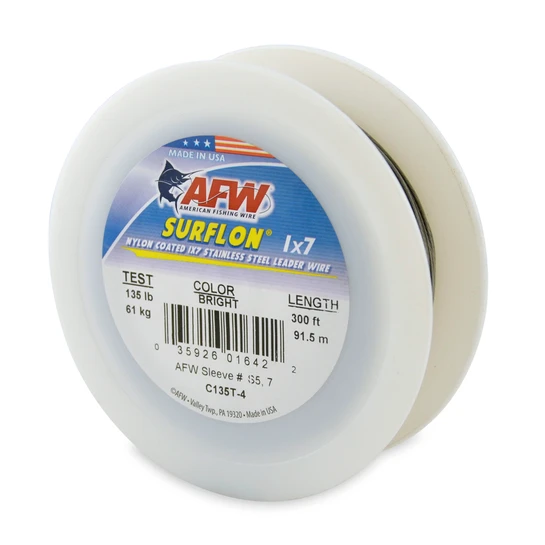
Types of Fishing Wire: A Complete Guide to Monel, Stainless Steel, Single-Strand, Multi-Strand, and Titanium Wire
Fishing wire is an essential component of many saltwater fishing rigs, particularly when targeting powerful gamefish with sharp teeth, abrasive mouths, or the ability to damage conventional monofilament and fluorocarbon leaders. From trolling for wahoo and king mackerel to rigging ballyhoo for billfish, selecting the correct fishing wire can make the difference between landing a trophy fish and losing it during the fight.
However, not all fishing wire is the same. Different materials, constructions, and coatings provide distinct advantages depending on the species being targeted and the fishing technique being used.
Some wires are extremely stiff and provide excellent bite protection, while others are flexible enough to allow a bait to swim naturally. Certain wire products are designed for trolling leaders, others for rigging natural baits, and some are manufactured specifically for use as weighted trolling line.
Understanding these differences helps anglers build stronger rigs, improve bait presentation, and choose the most appropriate wire for each fishing application.
In this guide, we'll explore the different types of fishing wire, their advantages and disadvantages, and how to select the best wire for offshore and inshore fishing.
Click here to see our extensive wire selection
1. Single-Strand Stainless Steel Fishing Wire
Single-strand stainless steel wire is one of the most widely used types of fishing wire, particularly among offshore anglers targeting toothy predators.
As the name suggests, single-strand wire consists of one continuous piece of stainless steel rather than multiple strands woven or twisted together.
This construction provides a relatively stiff leader with excellent resistance to being bitten through by sharp-toothed fish.
Advantages of Single-Strand Wire
-
Excellent resistance to sharp teeth.
-
Relatively small diameter for its breaking strength.
-
Economical compared with many specialty leader materials.
-
Can be connected using properly formed haywire twists.
-
Available in a wide range of wire sizes and strengths.
-
Popular for trolling and live-bait fishing.
Disadvantages of Single-Strand Wire
The main disadvantage is its tendency to kink.
When single-strand wire develops a sharp bend, the damaged area may become a weak point. Unlike flexible multi-strand wire, single-strand wire generally does not recover its original shape after being sharply kinked.
For this reason, leaders should be inspected carefully after every fish.
Single-strand wire is also less flexible than many other leader materials, which may affect the action of certain live baits or artificial lures.
Best Applications
Single-strand stainless steel wire is commonly used for:
-
Wahoo trolling.
-
King mackerel fishing.
-
Barracuda fishing.
-
Shark leaders, when properly sized.
-
Live-bait rigs for toothy predators.
-
Wire traces for trolling lures.
Common Single-Strand Wire Sizes
Single-strand wire is often identified by traditional wire numbers, such as #3, #5, #7, and #9. These numbers refer to wire size rather than pounds of breaking strength.
| Wire size | Approximate breaking strength* | Typical applications |
|---|---|---|
| #3 | 31 lb | Light kingfish and toothy inshore species |
| #4 | 38 lb | Light wire leaders |
| #5 | 44 lb | King mackerel and light trolling |
| #6 | 58 lb | General-purpose toothy-fish leaders |
| #7 | 69 lb | Wahoo and heavier trolling |
| #8 | 86 lb | Heavy-duty wire leaders |
| #9 | 105 lb | Larger toothy predators |
| #10 | 124 lb | Heavy trolling applications |
| #12 | 174 lb | Heavy-duty offshore rigs |
Approximate values associated with common stainless steel leader wire sizing. Actual breaking strengths vary by manufacturer, material, and product series. Always check the manufacturer's specifications.
Rigging tip: Use a properly formed haywire twist and barrel wraps when connecting single-strand wire to hooks, swivels, or other terminal tackle. Avoid ordinary knots, which can weaken or damage the wire.
Click here to see our extensive wire selection
2. Seven-Strand Stainless Steel Fishing Wire
Seven-strand fishing wire is manufactured by twisting seven smaller stainless steel wires together to form a single flexible cable.
This construction provides greater flexibility than single-strand wire while maintaining good bite resistance.
Seven-strand wire has been popular for decades in saltwater fishing, particularly for trolling, live-bait fishing, and making leaders for toothy species.
Advantages of Seven-Strand Wire
-
More flexible than single-strand stainless steel.
-
Good resistance to sharp teeth.
-
Less prone to permanent sharp kinks than single-strand wire.
-
Suitable for many trolling and live-bait applications.
-
Can be rigged with compatible sleeves and crimping tools.
Disadvantages of Seven-Strand Wire
Seven-strand wire generally has a larger diameter than comparable single-strand wire of similar strength.
The individual strands can also become damaged or frayed over time.
If one or more strands break, the leader should be replaced.
Seven-strand wire may also be more visible underwater than some thinner leader materials.
Best Applications
Seven-strand wire is commonly used for:
-
King mackerel leaders.
-
Wahoo trolling rigs.
-
Shark fishing.
-
Live-bait fishing.
-
Heavy trolling leaders.
-
General-purpose toothy-fish rigs.
Rigging tip: Use sleeves specifically sized for the cable diameter and follow the manufacturer's crimping instructions. Incorrect sleeve size or excessive crimping pressure can weaken the connection.
Click here to see our extensive wire selection
3. 49-Strand Stainless Steel Fishing Wire
Forty-nine-strand wire is manufactured from multiple groups of fine stainless steel wires twisted or braided together.
A common construction uses seven bundles containing seven individual strands, producing a 7×7 cable.
This construction creates a highly flexible leader compared with single-strand or conventional seven-strand wire.
Advantages of 49-Strand Wire
The primary advantage is flexibility.
Because the individual strands are relatively fine, the finished cable can bend and move without developing the sharp kinks commonly associated with single-strand wire.
Additional benefits include:
-
Excellent flexibility for natural bait presentation.
-
Good abrasion and bite resistance.
-
Suitable for larger, powerful fish.
-
Useful for trolling and live-bait applications.
-
Compatible with properly selected crimp sleeves.
Disadvantages of 49-Strand Wire
Forty-nine-strand wire is generally more expensive than basic single-strand wire.
It also tends to be thicker for a given strength and requires appropriate crimping equipment.
Although flexible, the cable can still become damaged through abrasion, corrosion, or broken individual strands.
Best Applications
Forty-nine-strand wire is particularly useful for:
-
Heavy shark leaders.
-
Wahoo trolling.
-
Large live-bait rigs.
-
Heavy-duty offshore fishing.
-
Applications requiring flexible bite protection.
Important: The term 49-strand describes construction, not breaking strength. It is available in many different diameters and strengths.
Click here to see our extensive wire selection
4. Nylon-Coated Stainless Steel Fishing Wire
Nylon-coated wire consists of a stainless steel core covered by a protective polymer coating.
The core may be constructed from seven-strand, 49-strand, or another multi-strand cable design.
The coating creates a smoother outer surface and can help protect the underlying cable from some forms of abrasion and environmental exposure.
Advantages of Nylon-Coated Wire
-
Smooth outer surface.
-
Flexible construction, depending on the core.
-
Available in several colors and strengths.
-
Useful for building crimped leaders.
-
Can help reduce direct contact between the metal cable and other surfaces.
Disadvantages of Nylon-Coated Wire
The coating can become damaged by sharp teeth, abrasion, or repeated use.
Once damaged, it may peel or expose the underlying metal cable.
Coated wire also has a larger overall diameter than the bare wire beneath it.
When making crimped connections, anglers must account for the coating and follow the manufacturer's recommendations for sleeve selection and preparation.
Best Applications
Nylon-coated wire is commonly used for:
-
Shark leaders.
-
King mackerel rigs.
-
Wahoo leaders.
-
General-purpose trolling rigs.
-
Heavy live-bait fishing.
-
Wire leaders where a smooth outer coating is desirable.
- Click here to see our extensive wire selection
5. Titanium Fishing Leader Wire
Titanium fishing wire is a premium alternative to traditional stainless steel leader wire.
It is valued for its flexibility, corrosion resistance, and ability to recover from bends that would permanently kink ordinary single-strand stainless steel wire.
Titanium leader products are available in single-strand and multi-strand constructions.
Advantages of Titanium Wire
One of titanium wire's greatest advantages is its resistance to permanent kinking.
Certain titanium alloy leader wires can flex significantly and return toward their original shape.
This makes titanium particularly useful when fishing with lures that are repeatedly struck by aggressive predators.
Other advantages include:
-
Excellent flexibility.
-
High corrosion resistance.
-
Good resistance to permanent deformation.
-
Useful bite protection.
-
Long service life when properly maintained.
Disadvantages of Titanium Wire
Titanium wire is generally more expensive than stainless steel.
It also requires appropriate connection methods, which vary by product.
Some titanium wires are knotable, while others are intended for crimping or specialized connections.
Best Applications
Titanium wire is popular for:
-
King mackerel.
-
Barracuda.
-
Wahoo.
-
Bluefish.
-
Pike and muskie in freshwater.
-
Casting lures to toothy predators.
Single-Strand vs. Multi-Strand Titanium
Single-strand titanium is often selected for its combination of low diameter, elasticity, and kink resistance.
Multi-strand titanium provides additional flexibility and may be useful when a particularly supple leader is desired.
Rigging tip: Do not assume that connection methods used for stainless steel wire are appropriate for titanium. Follow the instructions for the specific titanium leader material.
Click here to see our extensive wire selection
6. Monel Fishing Wire
Monel is a nickel-copper alloy widely used in marine environments because of its corrosion resistance.
In recreational fishing, Monel is best known as a weighted trolling line rather than a conventional bite leader.
Monel trolling wire is used to position lures or natural baits deeper in the water column without relying entirely on heavy trolling sinkers or downriggers.
How Monel Trolling Wire Works
Monel wire has greater density than conventional monofilament fishing line.
When deployed behind a moving boat, its weight helps pull the trolling presentation below the surface.
The actual trolling depth depends on several factors, including:
-
Amount of wire deployed.
-
Trolling speed.
-
Current.
-
Wire diameter and weight.
-
Lure or bait resistance.
-
Additional weights or terminal tackle.
Monel does not produce one fixed depth for a particular length of wire.
Advantages of Monel Wire
-
Useful for deep trolling.
-
Excellent corrosion resistance.
-
Allows anglers to fish below the surface without a conventional downrigger.
-
Effective for certain traditional trolling techniques.
-
Can be used with specialized wire-line trolling equipment.
Disadvantages of Monel Wire
Monel is heavier and more difficult to handle than conventional fishing line.
It also requires suitable rods, guides, reels, and terminal connections.
Because of its weight and relatively low stretch, wire-line trolling can place considerable stress on equipment.
Best Applications
Monel trolling wire is commonly associated with:
-
Striped bass trolling.
-
Bluefish trolling.
-
Deepwater spoon trolling.
-
Umbrella rigs.
-
Parachute jigs.
-
Traditional Northeast wire-line trolling.
Monel vs. Stainless Steel Trolling Wire
Both Monel and stainless steel can be used as weighted trolling line, but they have different properties.
Monel is often preferred in traditional wire-line trolling because of its combination of weight, handling characteristics, and corrosion resistance.
Stainless steel trolling wire is another option, with performance depending on its specific alloy, diameter, and construction.
Important: Monel trolling wire should not automatically be substituted for stainless steel bite leader wire. Although both are metal wires, their intended applications and rigging requirements can be different.
Click here to see our extensive wire selection
7. Stainless Steel Trolling Wire
Stainless steel trolling wire is used as a main trolling line for applications where anglers want to fish lures deeper in the water column.
Like Monel, stainless steel wire can be deployed behind a boat to help control trolling depth.
However, its behavior depends on the specific wire diameter, material, and trolling setup.
Applications
Stainless steel trolling wire is used for:
-
Striped bass trolling.
-
Bluefish trolling.
-
Trolling spoons.
-
Parachute jigs.
-
Umbrella rigs.
-
Deep trolling presentations.
Equipment Considerations
Wire-line trolling requires equipment designed to withstand the demands of metal fishing line.
Suitable rod guides, reel capacity, and line management are important.
Some specialized trolling rods use roller guides to reduce friction and help prevent damage to the wire.
Anglers should use the rod and guide configuration recommended for the particular wire system.
Click here to see our extensive wire selection
8. Copper Fishing Wire
Copper wire has been used in fishing for many years, particularly in freshwater trolling.
It is most commonly associated with Great Lakes salmon and trout fishing.
Copper trolling line is heavier than conventional monofilament or braided fishing line and can help position lures deeper in the water column.
Advantages of Copper Wire
-
Effective for weighted trolling presentations.
-
Can reach substantial depths with sufficient line deployed.
-
Useful for salmon and trout trolling.
-
Can be incorporated into specialized trolling setups.
Disadvantages of Copper Wire
Copper wire is relatively soft and can kink if handled improperly.
It also requires substantial reel capacity when long lengths are used.
Copper trolling systems are often paired with backing line and a suitable leader.
Best Applications
Copper fishing wire is commonly used for:
-
Lake trout.
-
Chinook salmon.
-
Coho salmon.
-
Great Lakes trolling.
-
Deepwater freshwater trolling.
Copper is generally selected for its weighted trolling characteristics rather than as a primary bite leader for saltwater predators.
Click here to see our extensive wire selection
9. Soft Stainless Steel Rigging Wire
Not all fishing wire is used as leader material.
Soft stainless steel rigging wire is commonly used to secure natural baits, attach components, and construct specialized offshore trolling rigs.
This wire is selected primarily for its ability to bend and wrap around bait or terminal tackle.
Ballyhoo Rigging Wire
One of the most common uses for soft rigging wire is preparing ballyhoo for offshore trolling.
The wire can be wrapped around the bait's head, bill, or rigging components to help secure the bait in the desired position.
Proper rigging helps maintain bait alignment and reduce unwanted spinning during trolling.
Other Rigging Applications
Soft rigging wire may be used for:
-
Ballyhoo rigging.
-
Securing bait heads.
-
Attaching selected rigging components.
-
Preparing specialized natural-bait rigs.
-
Building certain offshore trolling presentations.
Copper vs. Stainless Steel Rigging Wire
Both copper and soft stainless steel wire may be used for bait rigging.
Copper is soft and easy to manipulate, while stainless steel provides different strength and corrosion-resistance characteristics.
The best choice depends on the rigging method and the specific bait being prepared.
Important: Soft bait-rigging wire is not necessarily rated or suitable for use as a primary fishing leader. Do not substitute it for purpose-built leader wire unless the product is specifically designed for that application.
Click here to see our extensive wire selection
10. Music Wire and Specialty Fishing Wire
Music wire is a high-carbon steel wire known for its stiffness and spring properties.
It is used in certain lure-making and specialty rigging applications.
For example, appropriately selected music wire can be used in the construction of spinnerbait frames, lure components, and other wire-form fishing products.
However, music wire is not inherently corrosion-resistant in saltwater environments.
It may require protective coatings or other corrosion-control measures.
For most saltwater leader applications, stainless steel or titanium wire is generally more appropriate.
Click here to see our extensive wire selection
11. Comparing the Different Types of Fishing Wire
Choosing the correct fishing wire depends on the application.
The following table provides a general comparison.
| Fishing wire type | Flexibility | Kink resistance | Primary use |
|---|---|---|---|
| Single-strand stainless steel | Low | Low | Bite leaders |
| Seven-strand stainless steel | Moderate | Moderate | Flexible bite leaders |
| 49-strand stainless steel | High | Good | Heavy flexible leaders |
| Nylon-coated stainless cable | Varies by core | Moderate to good | Coated leaders |
| Titanium wire | High | Excellent | Premium bite leaders |
| Monel trolling wire | Application-specific | Requires careful handling | Weighted trolling line |
| Stainless trolling wire | Application-specific | Requires careful handling | Weighted trolling line |
| Copper trolling wire | Soft | Low | Freshwater deep trolling |
| Soft rigging wire | Easy to bend | Not applicable | Natural-bait rigging |
| Music wire | Stiff and springy | Varies | Lure construction |
These comparisons are general. Individual products can behave differently depending on alloy, construction, diameter, and coating.
Click here to see our extensive wire selection
12. Choosing Fishing Wire Based on Target Species
Different species and fishing methods place different demands on leader material.
Wahoo
Wahoo have extremely sharp teeth capable of cutting through many conventional fishing leaders.
Single-strand stainless steel, multi-strand stainless cable, and appropriate titanium leaders are popular options.
The best choice depends on whether the angler is high-speed trolling, conventional trolling, or fishing live bait.
King Mackerel
King mackerel are frequently targeted with relatively light wire leaders.
Single-strand stainless steel is common, while flexible multi-strand and titanium leaders are also effective.
When fishing live bait, leader flexibility can be especially important.
Barracuda
Barracuda possess sharp teeth and often strike artificial lures aggressively.
Single-strand stainless steel and titanium leaders are common choices.
Titanium can be particularly useful for casting applications where repeated strikes and lure movement may kink conventional wire.
Sharks
Shark fishing often requires heavy-duty leader systems.
Multi-strand stainless cable, coated cable, and other purpose-built leader materials may be used.
Leader construction should account for the species, expected size, abrasion, fishing conditions, and applicable regulations.
Striped Bass
Striped bass generally do not require wire leaders for bite protection.
However, Monel or stainless steel trolling wire may be used as a weighted main line when trolling deepwater presentations.
This is an important distinction: the wire is used primarily to control trolling depth rather than to prevent bite-offs.
Bluefish
Bluefish have sharp teeth and can damage conventional leaders.
Single-strand stainless steel, multi-strand cable, and titanium wire can all be effective.
Tuna
Most conventional tuna fishing applications use monofilament or fluorocarbon leaders rather than wire.
However, certain specialized rigs and mixed-species trolling situations may involve wire components.
Wire should be selected based on the intended presentation and the species being targeted.
Click here to see our extensive wire selection
13. How to Connect Fishing Wire to Hooks and Swivels
Correct connections are essential when working with fishing wire.
Unlike monofilament and fluorocarbon, many wire materials cannot be tied using ordinary fishing knots.
Haywire Twists
Haywire twists are commonly used with single-strand stainless steel wire.
A properly formed haywire twist includes an initial series of wraps followed by barrel wraps.
The connection is designed to secure the wire around a hook eye, swivel, or other terminal component.
The wire tag end should be removed using an appropriate method that avoids leaving a sharp projecting point.
Crimped Connections
Crimps are commonly used with multi-strand stainless steel cable.
A crimping sleeve is placed over the wire, the wire is passed through the terminal component, and the tag end is returned through the sleeve.
The sleeve is then compressed using a compatible crimping tool.
Proper sleeve selection is essential.
A sleeve that is too large may slip, while one that is too small or improperly compressed can damage the cable.
Knots for Titanium Wire
Some titanium fishing wires are specifically designed to be knotable.
Others require crimped connections or manufacturer-approved rigging methods.
Always verify the recommended connection method before rigging.
Click here to see our extensive wire selection
14. Choosing the Correct Fishing Wire Strength
Fishing wire strength should be matched to the target species, tackle, and fishing method.
Using wire that is too light may result in bite-offs or leader failure.
Using wire that is unnecessarily heavy can reduce lure action, increase visibility, or affect the presentation of live bait.
General Wire Leader Strength Guide
| Target species | Possible starting wire strength |
|---|---|
| Bluefish | 20–60 lb |
| King mackerel | 30–80 lb |
| Barracuda | 40–100 lb |
| Wahoo | 60–150 lb |
| Larger sharks | 200–600+ lb, depending on rig design |
| Heavy offshore applications | Application-specific |
These are broad reference ranges, not universal recommendations. Some fisheries and techniques use substantially lighter or heavier materials.
Breaking strength is only one part of the decision.
Wire diameter, flexibility, abrasion resistance, connection strength, and bait presentation also matter.
Click here to see our extensive wire selection
15. Common Fishing Wire Mistakes
Even high-quality fishing wire can fail when it is incorrectly selected or rigged.
Using Kinked Single-Strand Wire
A sharp kink can significantly weaken single-strand wire.
Replace leaders that have been sharply bent or damaged.
Using the Wrong Crimping Sleeve
Improper sleeve selection is a common cause of leader failure.
Match the sleeve to the cable diameter and material.
Over-Crimping
Excessive pressure can damage wire strands and reduce connection strength.
Use the correct crimping tool and follow the manufacturer's instructions.
Using Ordinary Knots on Incompatible Wire
Many stainless steel wires are not designed to be tied with conventional fishing knots.
Use the connection method recommended for the specific wire.
Ignoring Corrosion and Fraying
Although stainless steel and other marine alloys resist corrosion, they are not immune to damage.
Inspect leaders regularly for broken strands, discoloration, abrasion, and damaged connections.
Using Heavy Wire When It Is Not Necessary
Oversized wire may interfere with bait movement and lure action.
Select the lightest practical wire that provides the required protection and strength.
Confusing Trolling Wire with Leader Wire
Weighted trolling wire and bite-resistant leader wire serve different purposes.
Monel, copper, and stainless trolling lines should not automatically be treated as interchangeable with conventional leader wire.
Click here to see our extensive wire selection
16. How to Maintain and Store Fishing Wire
Proper maintenance can extend the useful life of fishing wire and help prevent unexpected failures.
After saltwater fishing, rinse reusable wire components with fresh water and allow them to dry.
Inspect wire leaders for damage before storing them.
Avoid creating sharp bends when coiling wire.
Store single-strand wire carefully to prevent kinks.
Multi-strand cable should be inspected for broken strands and damaged coatings.
Titanium wire should also be checked for abrasion, connection damage, and signs of fatigue.
For Monel, stainless trolling wire, and copper trolling line, follow the manufacturer's recommendations for reel storage, line tension, and maintenance.
Replace any wire that shows significant damage or questionable structural integrity.
Click here to see our extensive wire selection
17. Frequently Asked Questions About Fishing Wire
What is the best fishing wire for wahoo?
Single-strand stainless steel is a popular choice for wahoo trolling because it provides excellent bite resistance with relatively small diameter. Multi-strand stainless steel and titanium leaders are also used, depending on the trolling technique.
Is titanium fishing wire better than stainless steel?
Titanium offers superior resistance to permanent kinking in many leader applications, but it is usually more expensive. Stainless steel remains an excellent choice when cost, stiffness, diameter, and traditional rigging methods are priorities.
What is the difference between seven-strand and 49-strand wire?
Seven-strand wire contains seven individual strands twisted together. A common 49-strand construction uses seven groups of seven strands. Forty-nine-strand wire is generally more flexible than seven-strand wire.
Can you tie fishing wire directly to a hook?
It depends on the wire. Single-strand stainless steel is commonly connected with a haywire twist, multi-strand cable is often crimped, and some titanium wires are designed for specialized knots.
What is Monel fishing wire used for?
Monel is primarily used as weighted trolling line to help present lures and baits at greater depths. It is particularly associated with traditional striped bass and bluefish trolling.
Is copper fishing wire suitable for saltwater leaders?
Copper trolling wire is generally not selected as a conventional saltwater bite leader. It is more commonly used for weighted freshwater trolling applications. Soft copper wire may also be used for certain bait-rigging tasks.
What fishing wire is best for king mackerel?
Single-strand stainless steel, flexible multi-strand wire, and titanium are all common choices. The best material depends on whether you're trolling artificial lures, fishing dead bait, or presenting live bait.
Click here to see our extensive wire selection
Conclusion: Choosing the Best Fishing Wire for Your Fishing Style
Fishing wire plays an important role in many saltwater and freshwater fishing applications, but selecting the correct type requires understanding how different materials perform.
Single-strand stainless steel wire remains a popular option for anglers targeting wahoo, king mackerel, barracuda, and other sharp-toothed predators.
Seven-strand and 49-strand stainless steel cables offer additional flexibility for trolling, live-bait fishing, and heavy-duty leaders.
Titanium wire provides excellent kink resistance and is especially useful for anglers who want a flexible, durable leader.
Monel, stainless steel trolling wire, and copper wire serve a different purpose by helping anglers position lures deeper in the water column.
Soft rigging wire is essential for preparing natural baits and constructing certain offshore trolling rigs.
The key is to match the wire to the fishing application rather than assuming one type will work for every situation.
By understanding the differences in strength, flexibility, construction, and intended use, anglers can build more reliable rigs, improve bait presentation, and reduce lost fish.
Whether you're trolling for wahoo offshore, fishing live bait for king mackerel, or running wire-line trolling gear for striped bass, the right fishing wire is an important part of a successful fishing setup.
Shop Fishing Wire and Rigging Supplies at Alltackle.com
Alltackle.com offers fishing tackle and rigging supplies for saltwater anglers, including products used to construct offshore leaders, trolling rigs, and natural-bait presentations.
When selecting fishing wire, consider pairing it with the appropriate terminal tackle and rigging tools.
Relevant equipment includes:
-
Stainless steel leader wire.
-
Multi-strand wire cable.
-
Titanium leader wire.
-
Monel trolling wire.
-
Rigging wire.
-
Crimping sleeves.
-
Crimping pliers.
-
Offshore hooks and swivels.
-
Leader storage and rigging accessories.
Browse Alltackle.com for fishing wire, leader materials, and saltwater rigging supplies. Verify current product availability and specifications before ordering.