
High-Speed Wahoo Trolling: The Ultimate Guide to Catching Wahoo at 12–20 Knots
Learn how to select the best high-speed wahoo lures, rig your tackle, build an effective trolling spread, and locate one of the ocean's fastest and most aggressive predators.
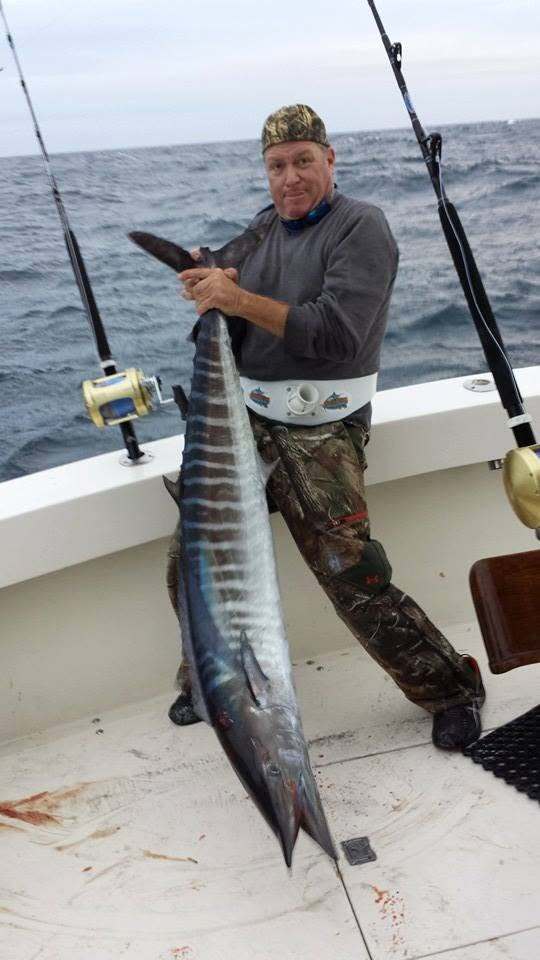

Introduction: The Excitement of High-Speed Wahoo Trolling
Few offshore fishing experiences compare to the explosive strike of a wahoo hitting a lure traveling at 15 knots. One moment, you're covering water in search of fish, and the next, a trolling reel is screaming as a powerful wahoo makes its initial run.
Wahoo are among the fastest predators in the ocean, capable of incredible bursts of speed. Their streamlined bodies, razor-sharp teeth, and aggressive feeding behavior make them ideally suited for high-speed trolling.
Unlike traditional offshore trolling, which commonly takes place at 5–9 knots, high-speed wahoo trolling typically involves pulling specialized lures at speeds between 12 and 20 knots. This technique allows anglers to cover large areas of water while presenting lures that imitate fast-moving baitfish.
High-speed trolling is particularly popular among offshore anglers fishing the Bahamas, Florida, Bermuda, the Gulf of Mexico, and the Mid-Atlantic coast.
Whether you're targeting trophy wahoo along the edge of the continental shelf or searching for fish around offshore structure, understanding the right tackle, lure selection, rigging techniques, and trolling strategies can dramatically improve your success.
Click to see our Wahoo Tackle Selection and Kits
Why High-Speed Trolling Works for Wahoo
Wahoo are built for speed. Their long, narrow bodies and powerful tails allow them to accelerate rapidly when attacking prey.
Unlike some offshore predators that may follow a lure for an extended period, wahoo frequently attack with sudden bursts of speed.
High-speed trolling takes advantage of several characteristics of wahoo feeding behavior.
Reaction strikes: Fast-moving lures can trigger aggressive attacks, giving wahoo little time to inspect the presentation.
Covering more water: Trolling at 15 knots allows anglers to search considerably more water than traditional slow-speed trolling, particularly when fish are scattered.
Targeting active predators: High-speed presentations can be especially effective when wahoo are hunting flying fish, small tuna, bonito, and other fast-moving baitfish.
Fishing between destinations: Anglers can sometimes target wahoo while traveling between fishing locations, although trolling speed must remain appropriate for the lures and conditions.
The key is using equipment designed to withstand the substantial drag and pressure generated by high-speed trolling.
Click to see our Wahoo Tackle Selection and Kits
Best Trolling Speeds for Wahoo
While wahoo can be caught at many speeds, most dedicated high-speed trolling programs operate between 12 and 18 knots.
|
Trolling speed |
Typical application |
|---|---|
|
8–10 knots |
Moderate-speed trolling with compatible weighted lures |
|
10–12 knots |
Transitional speed for many high-speed lure setups |
|
12–15 knots |
Excellent starting range for dedicated high-speed trolling |
|
15–18 knots |
Aggressive searching and covering water |
|
18–20+ knots |
Specialized lures and carefully matched heavy tackle |
For anglers just getting started, 12–14 knots is an excellent initial trolling speed.
At this speed, many properly rigged high-speed lures maintain a stable swimming action while generating the speed and vibration that can attract wahoo.
However, speed alone doesn't determine success. Sea conditions, lure weight, line angle, leader length, and lure design all affect how a lure performs.
A lure that tracks perfectly at 14 knots may begin skipping, spinning, or breaking the surface at 18 knots.
Always observe your lures and adjust speed to maintain the intended action.
Click to see our Wahoo Tackle Selection and Kits
Choosing the Best High-Speed Wahoo Lures

Not every trolling lure can withstand the forces generated at high speeds.
Dedicated high-speed wahoo lures are designed with heavier heads, streamlined profiles, and durable skirts that allow them to track consistently through the water.
1. Heavy Bullet-Head Wahoo Lures

Weighted bullet-head lures are among the most popular choices for high-speed wahoo trolling.
Their streamlined shape helps them cut through the water while minimizing excessive drag and surface skipping.
Many high-speed lures feature dense metal heads that help keep the lure submerged.
Advantages include consistent tracking, reduced skipping, and the ability to operate at elevated trolling speeds.
These lures are particularly effective when fishing long lines or searching large areas of open water.
2. Jet-Head Wahoo Lures

Jet-head lures feature holes or channels designed to create bubbles and turbulence as they move through the water.
The resulting disturbance can attract attention from aggressive predators.
However, not all jet-head lures are designed for high-speed trolling. Choose weighted models specifically rated for the intended speed.
3. High-Speed Diving Lures

Some specialized hard-bodied diving lures can be used for wahoo trolling at elevated speeds.
These lures are designed to swim beneath the surface, often producing an aggressive wobbling action.
Their maximum effective speed varies significantly by model. Many conventional diving plugs are not suitable for trolling at 15–20 knots.
Use only models with a manufacturer-supported speed range and match the leader and tackle accordingly.
4. Weighted Skirted Lures

Weighted skirted lures are a favorite among experienced wahoo anglers.
Popular color combinations include:
-
Black and purple
-
Black and red
-
Blue and white
-
Orange and black
-
Pink and white
-
Green and yellow
Dark colors are especially popular in wahoo fishing, although lure color preferences vary with light, water clarity, and baitfish conditions.
Many anglers start with a combination of dark and bright colors to determine what the fish prefer.
Click to see our Wahoo Tackle Selection and Kits
Choosing the Right Rods and Reels
High-speed wahoo trolling places tremendous stress on fishing equipment.
Heavy-duty offshore tackle is essential for maintaining control during the strike and fighting powerful fish.
Recommended Wahoo Trolling Rods

Above: Crowder Wahoo Special
For dedicated high-speed trolling, many anglers prefer conventional trolling rods in the 50–80 lb class, with heavier tackle used for especially demanding setups.
Look for rods featuring sturdy roller or high-quality conventional guides, strong reel seats, durable grips, and a moderate to powerful action suited to heavy trolling loads.
Bent-butt rods are popular for fishing heavy tackle from rod holders, while straight-butt rods are often preferred for more versatile setups.
Click to see our Wahoo Tackle Selection and Kits
Recommended Wahoo Trolling Reels

Above: Avet HXW 2-Speed
Large conventional reels are commonly used for high-speed wahoo fishing.
Popular reel classes include 50-wide and 80-class conventional reels, depending on lure drag, line capacity, and the fishing program.
A quality reel should offer substantial line capacity, smooth drag performance, a strong frame, and reliable gearing.
Wahoo are capable of extremely fast initial runs. Even with heavy tackle, a hooked fish can remove significant amounts of line in seconds.
Click to see our Wahoo Tackle Selection and Kits
Monofilament vs. Braided Fishing Line

Above: Jerry Brown Line One Braid
Both monofilament and braided line can be used in wahoo trolling systems.
Monofilament provides stretch that helps absorb shock during violent strikes.
Braided line offers greater strength relative to diameter and less stretch, but transmits more shock to the tackle.
Many high-speed trolling anglers prefer heavy monofilament main line or a system incorporating a substantial monofilament topshot.
Common setups use 50–100 lb class main line, with the exact choice depending on the rod, reel, lure, drag load, and terminal rigging.
The entire system must be matched to the forces involved, rather than selecting line based solely on the size of the fish.
How to Rig High-Speed Wahoo Lures
Wahoo possess extremely sharp teeth that can easily cut ordinary monofilament leaders.
For this reason, heavy wire or cable is commonly used near the lure.
Heavy Cable Leaders

Above: Black Bart Wahoo Hookset
Stainless steel cable is a popular choice for high-speed wahoo trolling because of its strength and abrasion resistance.
Common choices include heavy multi-strand cable in approximately the 275–480 lb class, depending on the lure and fishing conditions.
Some anglers use even heavier cable for large weighted lures.
A typical rig may incorporate a heavy monofilament or fluorocarbon shock leader connected to a shorter bite-resistant cable section.
The leader must be long enough to protect the rig from the fish's teeth without unnecessarily complicating handling at the boat.
Click to see our Wahoo Tackle Selection and Kits
Choosing Wahoo Hooks
Strong, sharp, heavy-duty hooks are essential.
Many high-speed wahoo rigs use single hooks, although some lure systems are designed for tandem hook arrangements.
Hook size varies with the lure's diameter and length, with heavy offshore hooks often falling around the 8/0–11/0 range.
The hook point should be positioned according to the lure manufacturer's design and rigging recommendations.
A hook that extends too far behind the lure may create unnecessary leverage, increase fouling, or interfere with the lure's tracking.
Click to see our Wahoo Tackle Selection and Kits
Crimping Cable and Leaders

Above: Hi-Seas Deluxe Crimp Kit
High-speed trolling connections must withstand sustained pressure and sudden impact loads.
Use appropriately sized sleeves and a quality crimping tool designed for the selected cable or leader material.
When rigging:
-
Cut the cable to the desired length using appropriate cutters.
-
Slide on the correctly sized crimp sleeve.
-
Pass the cable through the hook eye or specified rigging connection.
-
Return the cable through the sleeve, following the sleeve and cable manufacturer's instructions.
-
Crimp using the correct die and technique.
-
Inspect the finished connection and test its integrity before fishing.
Avoid crushing the cable at the edge of the sleeve, which can weaken the connection.
For particularly heavy high-speed systems, commercially assembled and properly tested rigs can be a practical option.
Click to see our Wahoo Tackle Selection and Kits
Using Trolling Weights for Wahoo

Above: Abaco Rigged Trolling Weights
One of the most important techniques in high-speed wahoo trolling involves using heavy trolling weights to keep lures beneath the surface.
At elevated speeds, water pressure can force lighter lures upward, causing them to skip or lose their intended action.
A properly configured trolling weight helps maintain lure depth and stability.
Common High-Speed Wahoo Trolling Weights
|
Weight |
Typical use |
|---|---|
|
16 oz |
Lighter weighted systems and moderate speeds |
|
24 oz |
Medium-weight high-speed trolling |
|
32 oz |
Popular starting point for many dedicated setups |
|
48 oz |
Heavy trolling configurations |
|
64 oz |
Specialized heavy-duty systems |
These are common weight classes, not universal depth or speed recommendations.
Actual performance depends on trolling speed, line length, lure drag, line diameter, sea conditions, and the shape of the weight.
A 32 oz weight does not guarantee a particular running depth.
Inline Trolling Weights
Inline trolling weights are frequently used in high-speed wahoo trolling.
They are installed ahead of the lure, with a heavy leader or shock section between the weight and the lure.
This arrangement helps the lure track below the surface while maintaining a relatively streamlined presentation.
For a basic starting setup, anglers might use a 24–48 oz trolling weight with a dedicated high-speed lure, adjusting the configuration to match the equipment and sea conditions.
All components, including swivels, connections, and terminal tackle, must be rated for the expected loads.
Building the Perfect High-Speed Wahoo Trolling Spread

Above: Black Bart Rigged Wahoo Trolling Pack
An effective high-speed wahoo spread allows anglers to cover different positions behind the boat while minimizing tangled lines.
Many experienced crews run three to five lures, depending on vessel size, rod-holder placement, sea conditions, and crew experience.
For beginners, a two- or three-line spread is often easier to manage.
Example Five-Line Wahoo Spread
Illustrative spread viewed from above — not to scale
Diagram shows relative lure positions, not specific line lengths or running depths.Short Lines
Short lines are typically positioned closer to the boat.
These positions are often used for heavier weighted lures that can maintain a stable presentation near the boat's wake.
Long Lines
Long lines are positioned farther behind the boat, creating separation from the short lines.
They can be particularly productive when fish are reluctant to approach the boat closely.
Center Line
A center line can add another lure to the spread, but requires careful attention to line separation and turning angles.
Many anglers use the center position as the longest line in the spread.
Adjusting the Spread
A good spread is not simply about pulling as many lures as possible.
Each lure should run cleanly, with minimal interference from other lines.
During turns, watch for lures crossing or changing depth.
In rough conditions, reducing the number of lines may produce better results than running a complicated spread.
Where to Find Wahoo Offshore
Finding productive water is just as important as selecting the correct lure.
Wahoo are frequently associated with structure, bait concentrations, and oceanographic features that concentrate prey.
Continental Shelf Edges
The edge of the continental shelf is a classic location for wahoo.
Sharp changes in bottom depth can influence current and concentrate baitfish, creating feeding opportunities for predators.
Offshore Reefs and Ledges
Submerged reefs, wrecks, and steep underwater ledges can hold baitfish and attract wahoo.
High-speed trolling allows anglers to search these areas efficiently.
Temperature Breaks
Water temperature changes can help identify productive fishing zones.
Wahoo are commonly encountered in warm offshore waters, often around 70–85°F, although their distribution extends beyond this range.
Temperature breaks become especially interesting when combined with baitfish, current edges, or structure.
Current Edges and Color Changes
Visible changes in water color can indicate differences in current, water masses, or plankton concentration.
These boundaries may concentrate baitfish and attract predators.
Floating Debris and Weed Lines
Floating objects and weed lines can hold small baitfish, which may attract larger predators.
Wahoo occasionally patrol these areas looking for feeding opportunities.
Always maintain a safe distance from floating debris, and watch for weed accumulation on trolling lines.
High-Speed Wahoo Trolling in the Bahamas
The Bahamas is one of the world's most popular destinations for high-speed wahoo trolling.
Deep water lies relatively close to numerous islands, allowing anglers to access productive offshore structure without necessarily traveling long distances.
Popular areas include the Abacos, Bimini, Cat Island, San Salvador, and other islands with access to steep drop-offs and offshore current.
Wahoo fishing in the Bahamas can be productive throughout the year, with cooler months often receiving particular attention from dedicated wahoo anglers.
Many experienced crews troll along steep depth contours, working the edges of underwater banks and drop-offs.
High-speed trolling is especially useful when searching extended stretches of structure for actively feeding fish.
Local fishing regulations, seasonal rules, and tournament requirements should always be checked before fishing.
Click to see our Wahoo Tackle Selection and Kits
High-Speed Wahoo Trolling in Florida and the Mid-Atlantic
Florida anglers target wahoo along reef edges, Gulf Stream current boundaries, offshore wrecks, and other productive structure.
The Florida Keys, South Florida, and the Atlantic coast all offer opportunities to encounter wahoo.
Farther north, Mid-Atlantic anglers encounter wahoo around offshore canyons, temperature breaks, and warm-water eddies.
In these areas, wahoo may be encountered while targeting tuna, dolphin, and billfish.
High-speed trolling can be particularly effective when fish are spread out and anglers need to search a large area.
What to Do When a Wahoo Strikes
A high-speed wahoo strike can be violent.
The combination of boat speed, lure drag, and the fish's sudden acceleration places significant pressure on the tackle.
1. Maintain Control of the Boat
When a fish strikes, reduce speed smoothly while maintaining enough forward movement to keep the lines under control.
Avoid sudden maneuvers that could cause other lines to cross or become tangled.
2. Keep Steady Pressure
Wahoo have relatively soft areas around the mouth, and excessive drag can contribute to pulled hooks.
Use a properly calibrated drag setting matched to the line and tackle.
Do not assume that heavier drag always improves hook-up rates.
3. Clear Unnecessary Lines
Depending on the number of rods and fish hooked, the crew may need to clear other trolling lines.
Communication is essential, particularly when fishing a five-line spread.
4. Avoid Slack Line
Maintain steady pressure during the fight.
Sudden slack can allow a wahoo to shake the hook, especially when the fish changes direction.
5. Prepare for Landing
Have the landing equipment ready before the fish reaches the boat.
Wahoo are powerful, fast-moving fish with extremely sharp teeth.
Keep hands away from the mouth and maintain control of the fish throughout the landing process.
A properly sized gaff is commonly used when harvesting legal fish. Follow safe gaffing procedures and never wrap heavy leader or cable around your hands.
Common High-Speed Wahoo Trolling Mistakes
Even experienced anglers can struggle with high-speed trolling when their equipment or presentation is poorly matched.
|
Common mistake |
Why it causes problems |
|---|---|
|
Using lightweight lures |
Lures may skip or become unstable |
|
Trolling too fast for the lure |
Can cause spinning, fouling, or excessive drag |
|
Using inadequate leaders |
Wahoo teeth can cut the line |
|
Poorly crimped connections |
Can fail during high-load strikes |
|
Running lines too close together |
Increases tangles, particularly during turns |
|
Excessive drag pressure |
May cause pulled hooks or tackle failure |
|
Ignoring sea conditions |
Rough water can make lures track erratically |
|
Using under-rated hardware |
Creates dangerous failure points |
High-Speed Wahoo Trolling Safety
High-speed trolling involves substantial loads that can create serious hazards if equipment fails.
Heavy trolling weights, cable leaders, and large hooks can recoil dangerously if a line or connection breaks.
Always use properly rated hardware and inspect tackle before every trip.
Never stand in the direct path of a loaded fishing line, and keep hands away from tensioned cable.
Secure rods in heavy-duty rod holders designed for the loads involved.
Be especially cautious when clearing lines or handling heavy trolling weights near the boat.
Remember that a lure or weight traveling at 15–20 knots carries considerable energy. A safe, controlled fishing program is more important than maximizing trolling speed.
Click to see our Wahoo Tackle Selection and Kits
Essential High-Speed Wahoo Trolling Equipment Checklist
Before heading offshore, make sure your boat is equipped with:
-
Dedicated high-speed wahoo trolling lures
-
Heavy-duty offshore trolling rods and reels
-
Suitable monofilament or braided main line
-
Heavy cable bite leaders
-
Properly matched trolling weights
-
Heavy-duty swivels, sleeves, and connections
-
Crimping tools and cable cutters
-
Replacement lure skirts and hooks
-
Heavy-duty rod holders
-
Appropriate landing equipment and fish-handling tools
Keeping spare rigs and terminal tackle aboard is particularly useful. Wahoo can damage skirts, hooks, and leaders during aggressive strikes, making it convenient to replace a damaged lure quickly.
Frequently Asked Questions About High-Speed Wahoo Trolling
What is the best speed for high-speed wahoo trolling?
A speed of 12–15 knots is a practical starting point for many dedicated high-speed wahoo lure systems. Some specialized setups operate at 18–20 knots or more, but lure stability and equipment ratings should determine the final speed.
What color lure is best for wahoo?
Black and purple is a popular combination, but black and red, blue and white, orange and black, and other bright patterns can also be effective. Carry several colors and experiment.
How much weight should I use for high-speed wahoo trolling?
Many anglers use 24–48 oz trolling weights, with lighter and heavier configurations also available. The correct weight depends on the lure, trolling speed, desired presentation, and overall tackle system.
Do I need wire leaders for wahoo?
A bite-resistant leader is strongly recommended. Wahoo have extremely sharp teeth capable of cutting ordinary monofilament or fluorocarbon.
Can you catch tuna while high-speed trolling for wahoo?
Yes. Tuna and other offshore predators occasionally strike high-speed wahoo lures, although this technique is primarily designed for targeting wahoo.
How many lines should I troll for wahoo?
Three to five lines are common on boats equipped for high-speed trolling. Beginners may find two or three lines easier to manage.
What size hooks should I use?
Many heavy wahoo trolling rigs use hooks around 8/0–11/0, but the proper size depends on the lure and hook design. Follow the lure manufacturer's rigging recommendations.
Click to see our Wahoo Tackle Selection and Kits
Final Thoughts: Mastering High-Speed Wahoo Trolling
High-speed wahoo trolling is one of the most exciting and productive ways to target these aggressive offshore predators.
Success depends on more than simply increasing boat speed. The best results come from combining properly weighted lures, strong terminal tackle, carefully arranged trolling spreads, and a solid understanding of wahoo feeding behavior.
Start with a manageable trolling spread, experiment with speeds around 12–15 knots, and pay close attention to how each lure tracks through the water.
As you gain experience, you can adjust lure colors, weight combinations, line positions, and trolling speeds to match changing conditions.
Whether you're fishing the steep drop-offs of the Bahamas, the warm waters of Florida, or the offshore canyons of the Mid-Atlantic, high-speed wahoo trolling can turn a day of searching into an unforgettable offshore fishing adventure.
Click to see our Wahoo Tackle Selection and Kits
Get your gear ready, rig your favorite high-speed wahoo lures, and prepare for one of the hardest strikes in offshore fishing.